
Back
Back
Back


Back
Back
Back
Best Sellers

No Odor
Green Label Singapore

Fres
Easy to clean with water

Avitex Eksterior
Green Label Singapore

Boyo Plamir
More economical

No Drop
Waterproof

Aries Gold
Fast Drying

Aries Cat Tembok
Fast Drying

Sunguard
Green Label Singapore

Supersilk
Green Label Singapore
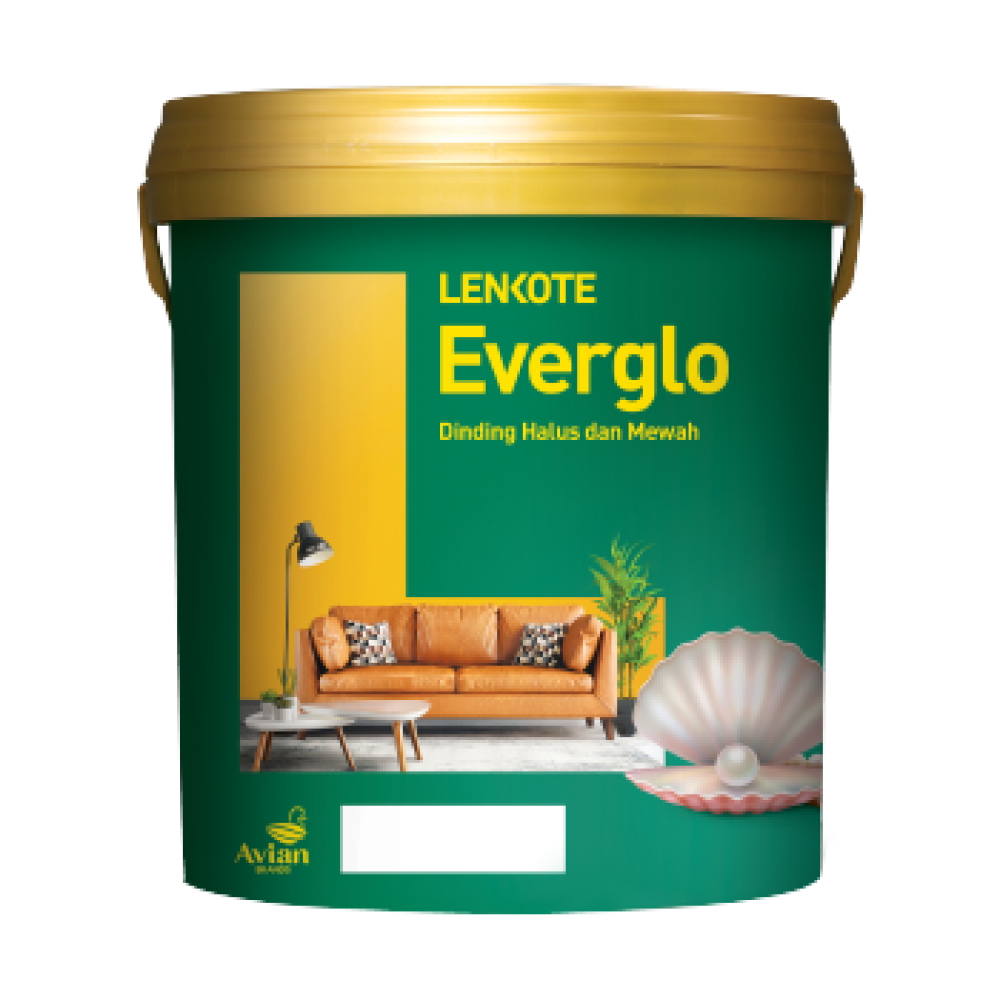
Everglo

Aquamatt
Green Label Singapore

Avitex Alkali Resisting Primer
Green Label Singapore

No Drop Bitumen
Fast Drying

Absolute Roof Coating
Easy to clean with water

Avitex Cat Genteng & Seng
Best Coverage

Belmas Roof

Yoko Cat Genteng & Seng
Color doesn't fade easily

Lem Putih VIP PVAc

Avian Roadline Paint
Fast Drying

Wood-Eco Woodstain Water Based
Green Label Singapore

Boyo Politur Vernis Solvent Based
Anti-fungal & Anti-insect

Tan Politur

Avian Hammertone
Best Coverage

Suzuka Cat Duco Otomotif
Fast Drying

Viplas
Leakproof

VIP Paint Remover
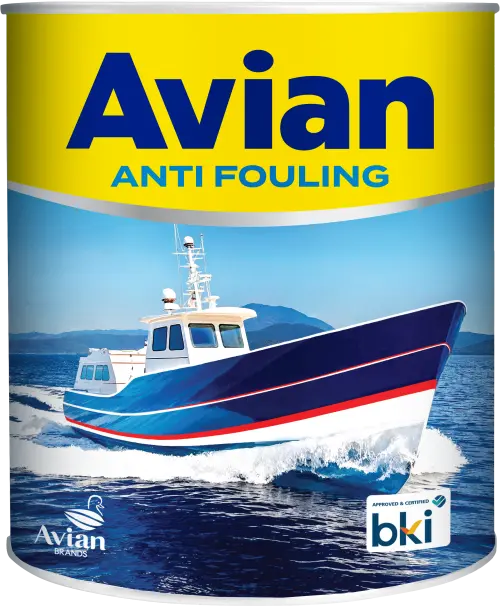
Avian Anti Fouling

Avian Lem Epoxy Super
Unscented

Avian Non-Sag Epoxy Super
Unscented
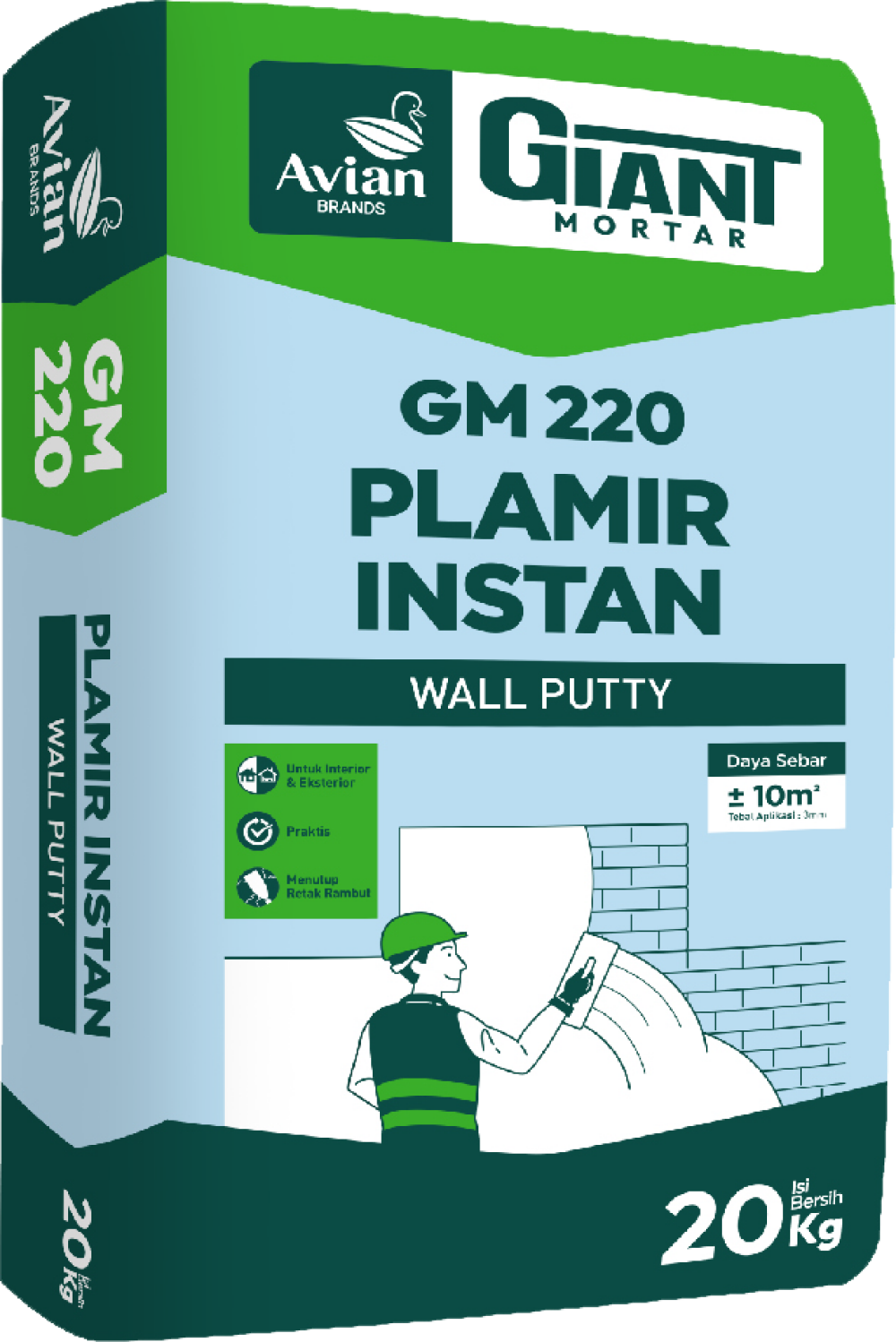
Giant Mortar 220 - Plamir Instan
For Interior & Exterior

Giant Mortar 260 - Acian Abu-abu
Without Putty/Filler
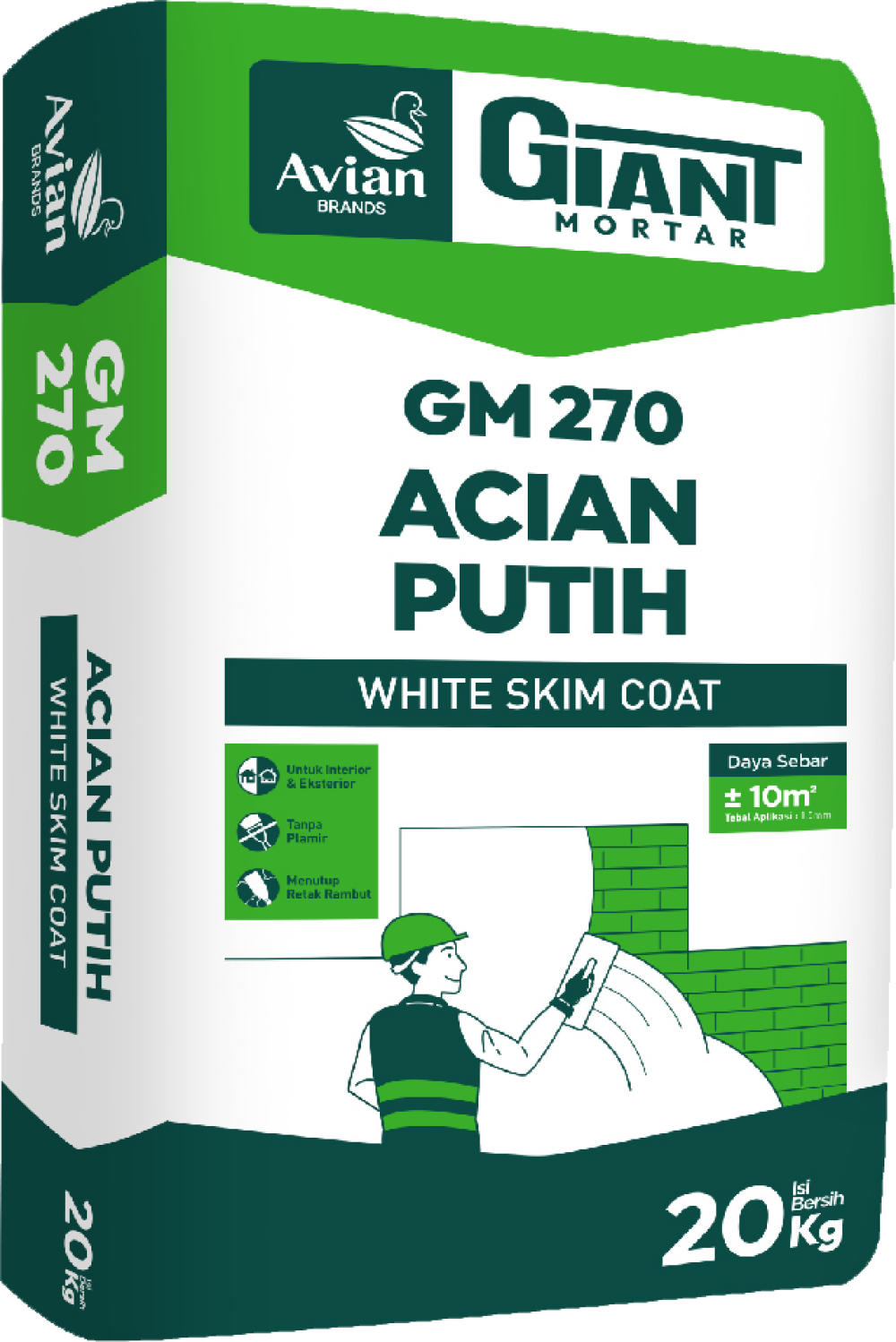
Giant Mortar 270 - Acian Putih
For Interior & Exterior
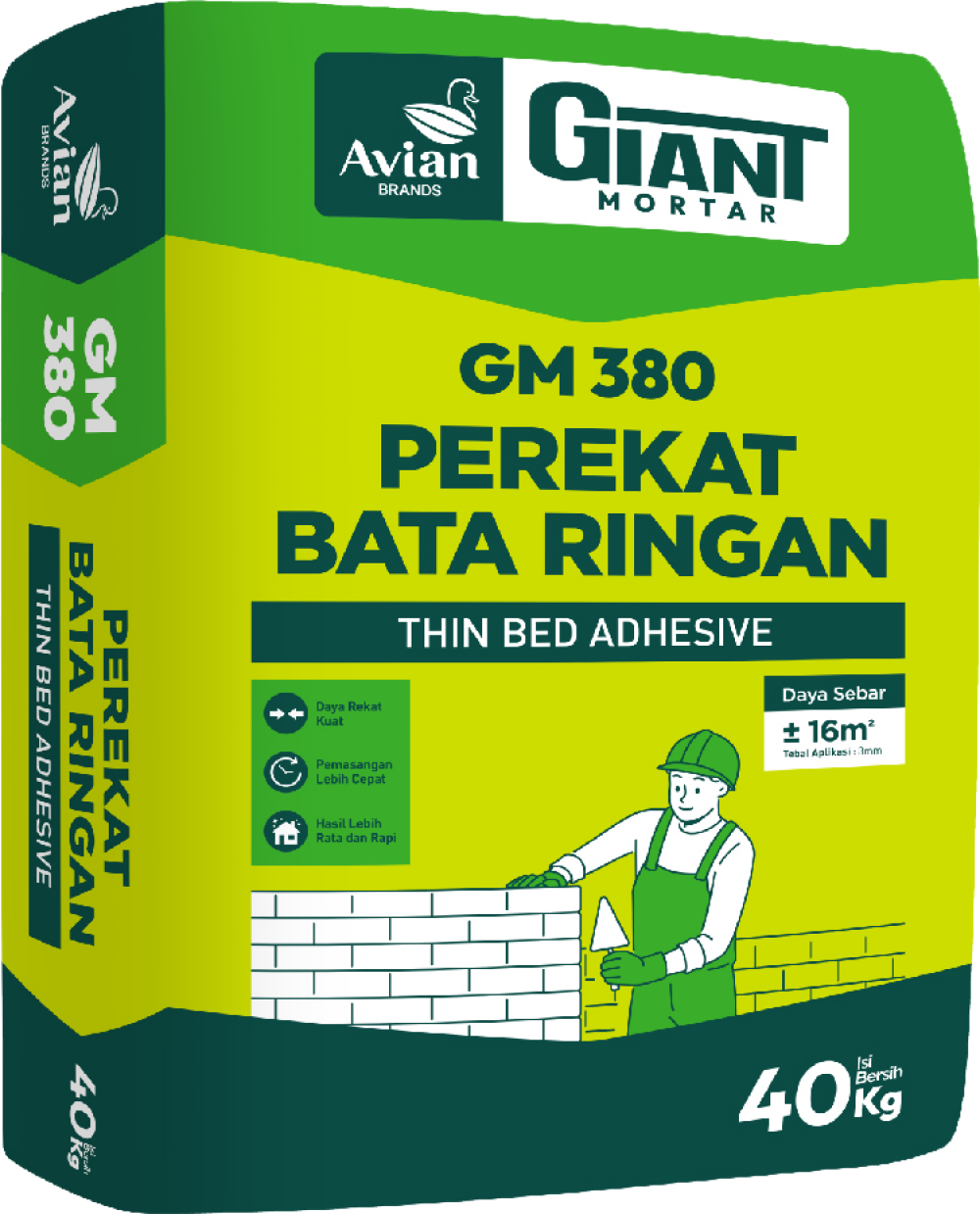
Giant Mortar 380 - Perekat Bata Ringan
Strong Adhesion

Giant Mortar 480 - Perekat Keramik Dinding Di atas Keramik
Prevents Ceramic Tiles from Lifting

Avian Cat Kayu dan Besi
For Interior & Exterior

Avian Yoko Cat Kayu & Besi
For Interior & Exterior

Belmas Zinc Chromate
For Interior & Exterior

Avian Zinc Chromate
For Interior & Exterior

Avian Thinner A Special
Anti-fog

Glovin Cat Kayu dan Besi
For Interior & Exterior

Lenkote Alkali Resisting Primer
Green Label Singapore

No Lumut Solvent Based
Weatherproof

No Lumut Water Based
Green Label Singapore

Sunguard All-In-One
Green Label Singapore

No Odor Medicare
Green Label Singapore

Supersilk Anti Noda
Green Label Singapore

HomeDeco Metallic
Green Label Singapore

Avitex One Coat
Green Label Singapore

Jasmine
Fast Drying

No Drop Membran
Waterproof

Avian Cat Kayu dan Besi
Fast Drying

Boyo Politur Vernis Water Based
Green Label Singapore

Lenkote Wall Putty
For Interior & Exterior

Lenkote Wall Sealer
More economical topcoat usage

Avitex Plamir Tembok
Best adhesion

Aries Gold Wall Putty
Fast Drying
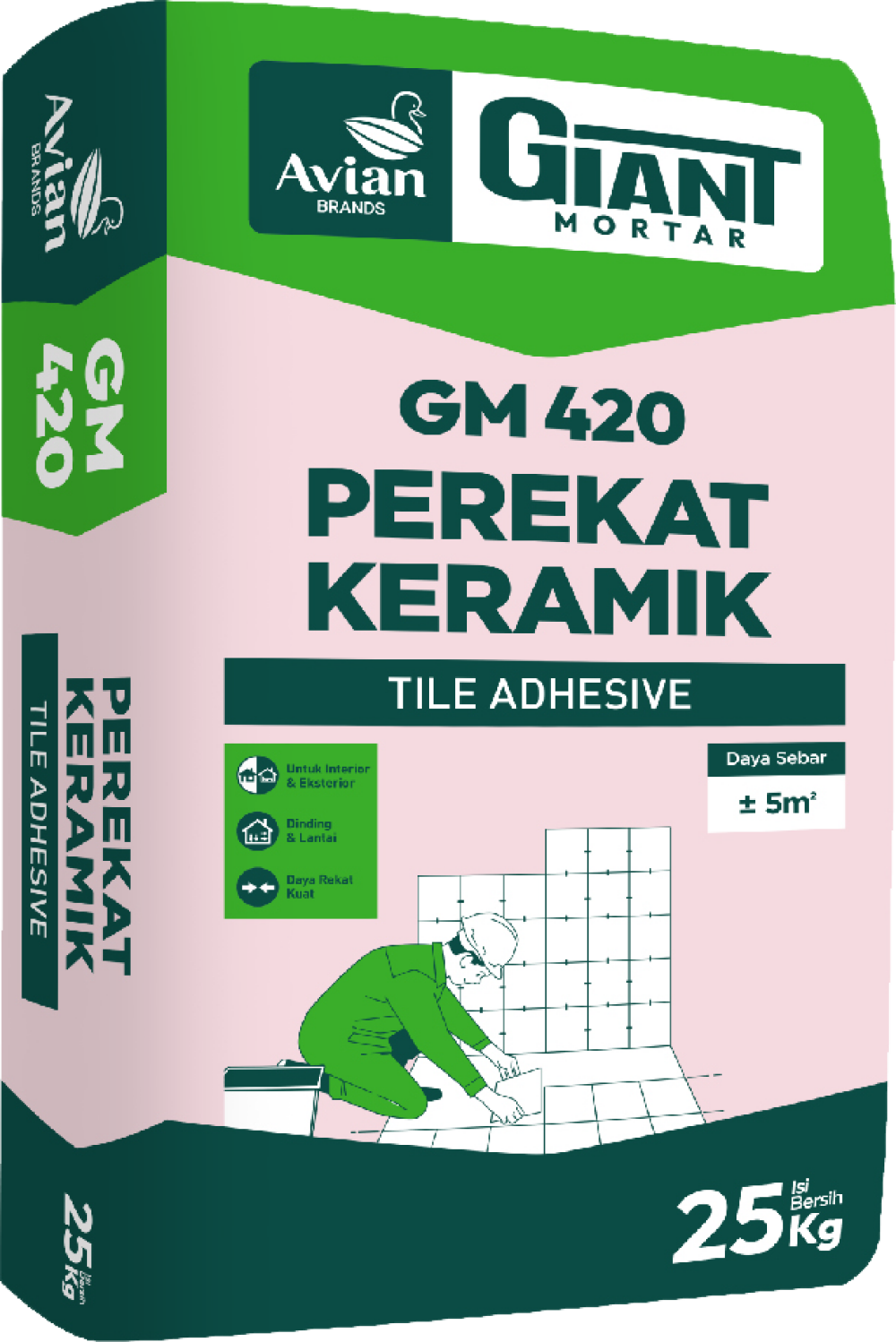
Giant Mortar 420 - Perekat Keramik Ekonomis
For Interior & Exterior

Suzuka Spray
Fast Drying

Suzuka Epoxy Filler
Easy to sand

Avian Thinner Super
Fast Drying

Aries Thinner Lacquer A
Fast Drying

Aries Thinner Lacquer A Special
Economical

Avian Thinner B Asli

Avian Thinner Enamel

Avitex Cat Tembok Dapur & Kamar Mandi
Green Label Singapore

Wood-Eco Woodstain Solvent Based
Waterproof
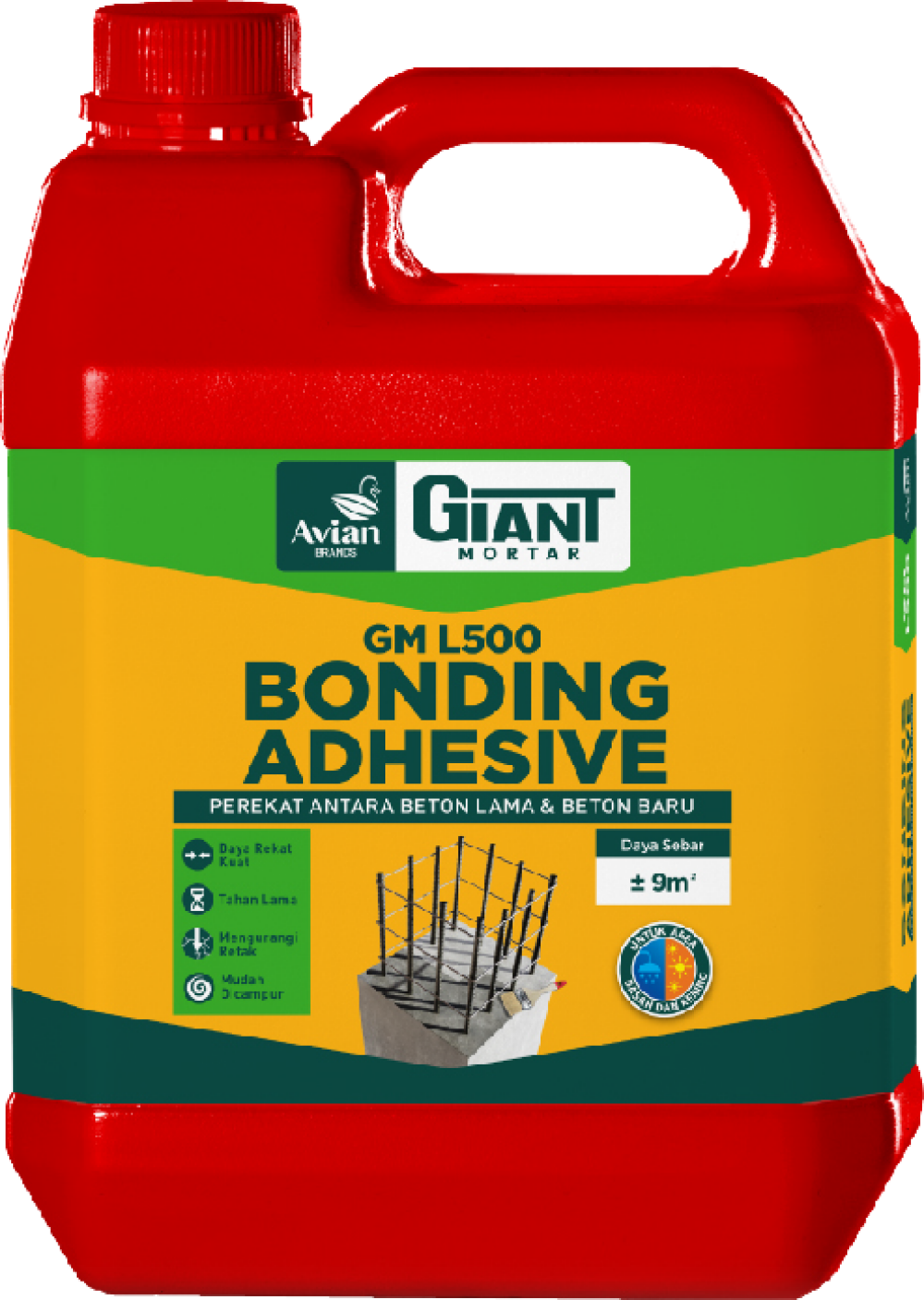
Giant Mortar L500 - Bonding Adhesive
Durable

Avitex Biocidal Wash
For Interior & Exterior

Avitex 4kids
Green Label Singapore

Everglo Kids Care
Green Label Singapore

HomeDeco Glitz
Green Label Singapore

HomeDeco Glow In The Dark
Green Label Singapore

HomeDeco Magnetic
Green Label Singapore

Avian Cat Paving
For Interior & Exterior

PRO-X 207
High Adhesion

Suzuka 2:1 PU Clear Coat
Fast Drying

Suzuka 4:1 PU Clear Coat
Fast Drying

White Brush
Brush bristles don't shed easily.

Synthetic Brush
For all types of paint

Budget Paint Roller
For Smooth and Semi-Smooth Surfaces

All Paints Paint Roller
Good Absorption

Budget Roller Cover
For Smooth and Semi-Smooth Surfaces

Regular Roller Cover
Good Absorption

All Paints Roller Cover
Good Absorption

Abrasive Paper
Waterproof

Abrasive Cloth Roll
Durable

Masking Tape
Leaves no sticky residue.

Seal Tape
Flexible

Fiberglass Tape
Flexible

Roof Drain
Durable

Avitex Cat Tembok
Fast Drying

Epoxy Bond Super Steel
Repair Materials

Epoxy Bond Super Strong
Very Strong

Grease Off
Easy to use

No Cracks
Interior

Rapid Bond
Very Strong

Rocket Bond
Fast Drying

Rust Off
Protects against rust & corrosion

Ultimate Bond
Building Materials

WoodEco Politur Interior P01
Best adhesion

WoodEco Politur Eksterior P03
For Interior & Exterior

Boyo Wood Stain Solvent Based
Best Results

Boyo Wood Filler Solvent Based
Fast Drying

Boyo Sanding Sealer NC Solvent Based
Fast Drying

Boyo Clear Coat NC Solvent Based
Fast Drying

Avitex Anti Viruz
Green Label Singapore

No Drop Tape
Waterproof

Paint Tray
100% PP Plastic

Mini Roller
Good Absorption

Mini Refill
Good Absorption

Plastic Scrapper
100% PP Plastic

No Drop Anti Panas
Green Label Singapore

Avitex Gold
Green Label Singapore

Brilliant Cat Tembok Interior
Green Label Singapore

Brilliant Cat Tembok Eksterior
Green Label Singapore

VIP Pengupas Cat Tembok
Water-based

Yoko Cat Dasar Kayu dan Besi
For Interior & Exterior

Avian Cling Zinc Chromate
Fast Drying

Boyo Politur Melamin
Anti-fungal & Anti-insect

Yellow Brush
Plastic handle

Avian Cling Synthetic
Fast Drying

No Drop Basic
Green Label Singapore

Aries Bling
Fast Drying

Green Brush
Good Absorption

Avitex Wizz
Green Label Singapore

PRO-X 208
Easy to stir

Boyo Politur Spray
Fast Drying

Cat Besi Anti Karat Avian 3 in 1
More economical

Basic Paint Roller
Good Absorption

No Drop Tile Grout
Waterproof

PRO-X-110
High Adhesion

PRO-X-222
High Adhesion

No Drop Plus 3in1
Waterproof

Avian Lem Epoxy Hemat
Fast Drying

Avian Cling Water Based
Fast Drying

No Drop Serat Fiber
Waterproof

No Drop Spray
Waterproof

PRO-X 111
High Adhesion

Supersilk Semi Kilap
Green Label Singapore

Giant Mortar 510 - Pengisi Nat Keramik
For Interior & Exterior

No Drop Dempul Instan
Durable

No Drop Beton dan Batu Alam
Green Label Singapore

No Drop Kolam Ikan
Green Label Singapore

Kran Air Taman
Durable

Boyo Wood Stain 2 in 1
Anti-fungal & Anti-insect

Avian Non-Sag Epoxy Hemat
Mercury & Lead Free

Avian Cat Lapangan
Green Label Singapore

Seal Tape Ekonomis
Economical
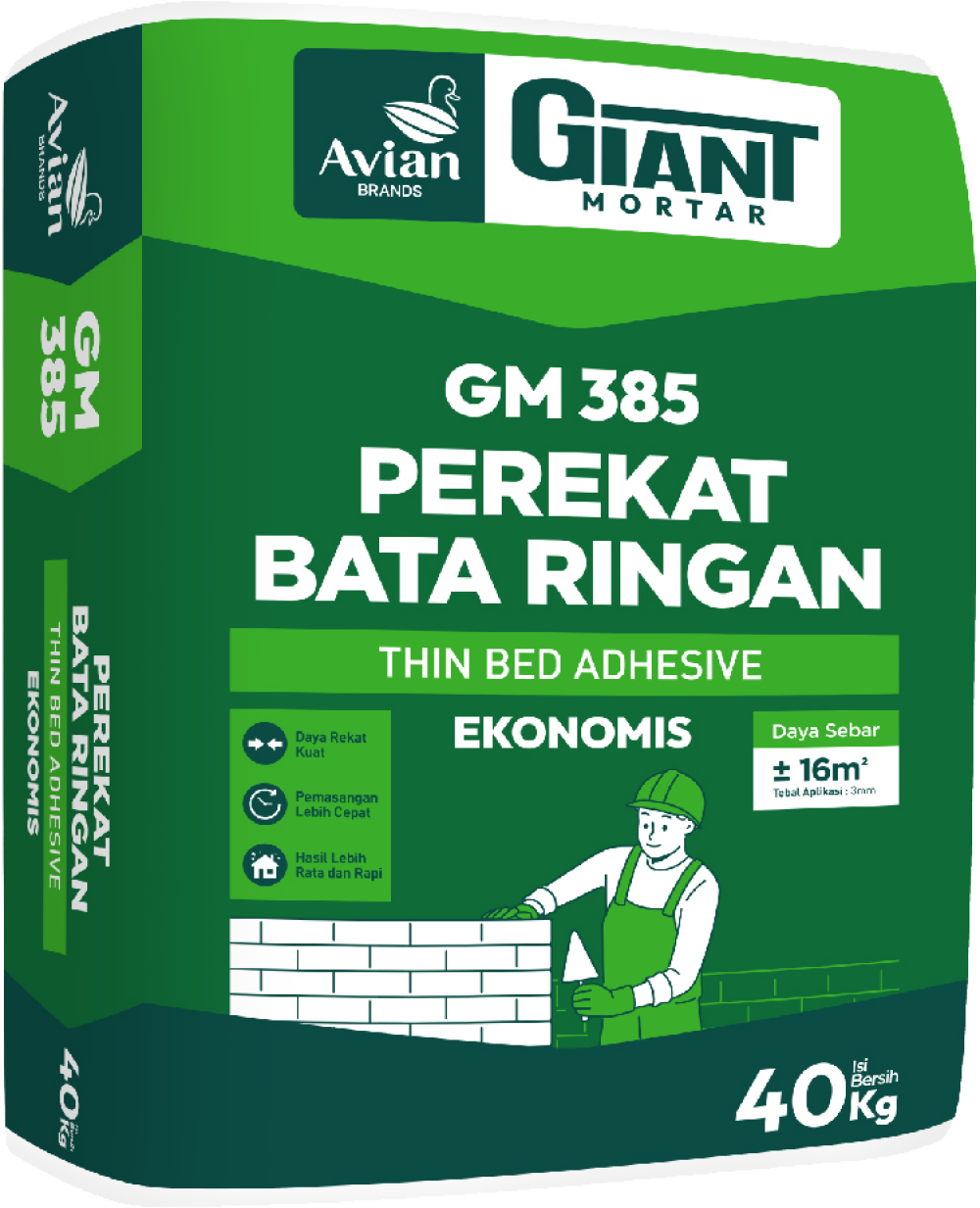
Giant Mortar 385 - Perekat Bata Ringan Ekonomis
Strong Adhesion
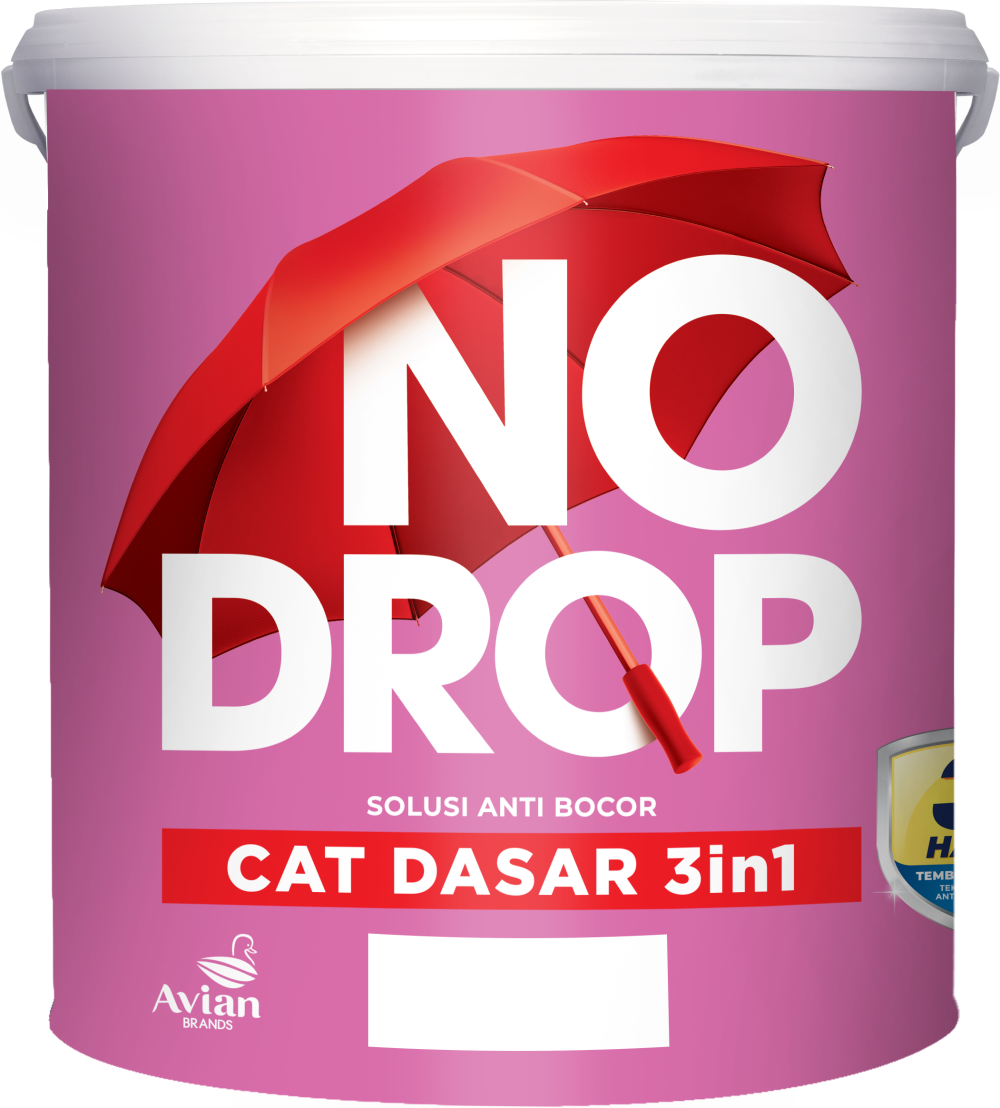
No Drop Cat Dasar 3in1
Green Label Singapore

Avitex TOP
Green Label Singapore

No Drop Anti-Leak Putty
Green Label Singapore

Basic Paint Tray Set

Paint Tray Set

Giant Mortar 265 - Acian Abu-abu Ekonomis
Perfectly Sealing Hairline Cracks

Giant Mortar 275 - Acian Putih Ekonomis
Perfectly Sealing Hairline Cracks

No Drop Kolam Ikan 2 Komponen
Elastic

Avitex Tekstur
Green Label Singapore

Supersilk Basic
Green Label Singapore

No Drop Butyl Tape Anti Bocor
Waterproof

Avian Epoxy Filler
Best adhesion

Sunguard Basic
Green Label Singapore
Avitex Wizz Cat Dasar
Green Label Singapore

No Drop Obat Cor Anti Bocor
Waterproof

Epoxy Steel 5 Menit

Epoxy Rapid 5 Menit

Epoxy Steel 2 Jam

Silicone Sealant Multi Purpose

Silicone Sealant Sanitary
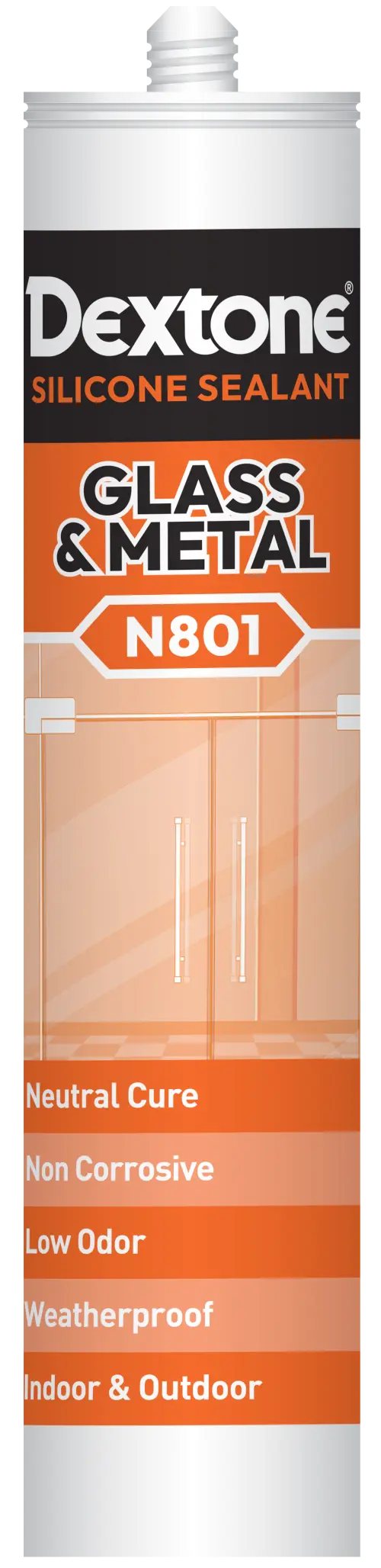
Silicone Sealant Glass & Metal

Silicone Sealant Tube

Epoxy Adhesive No Filler

Non-Sag Epoxy

Lem Pipa PVC

Instant Glue

Super Glue 808

Lem Kuning Serbaguna

Lem Putih PVAc

Avian Platinum
Weatherproof
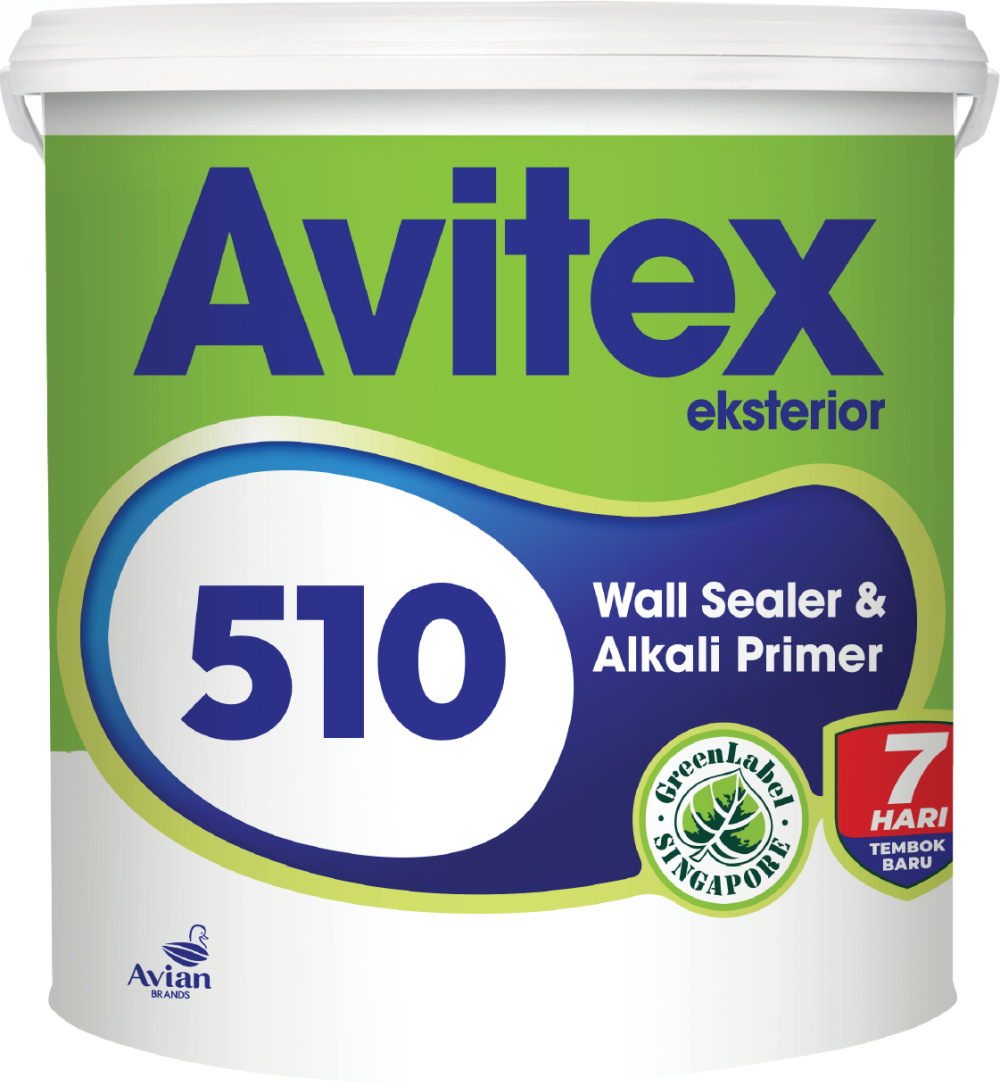
Avitex 510 Wall Sealer & Alkali Primer
Green Label Singapore
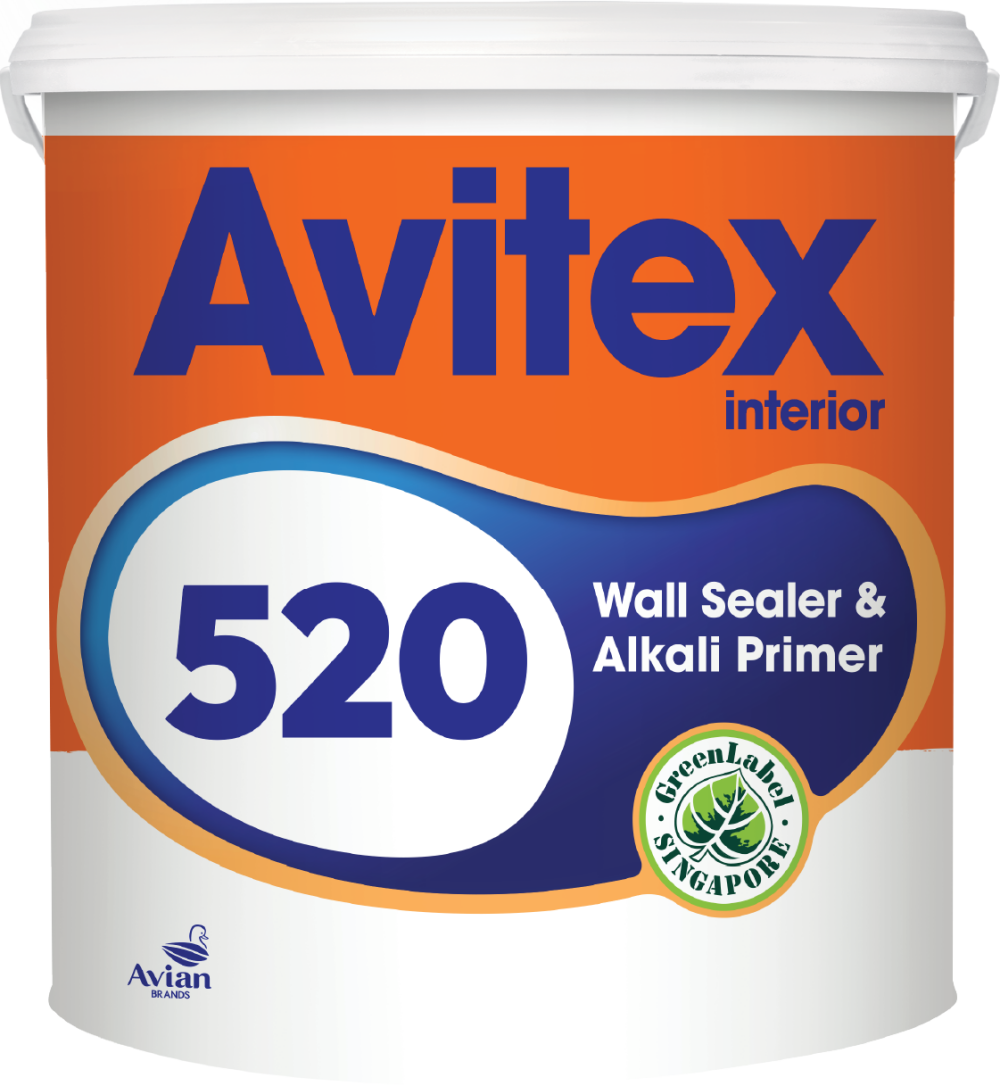
Avitex 520 Wall Sealer & Alkali Primer
Green Label Singapore
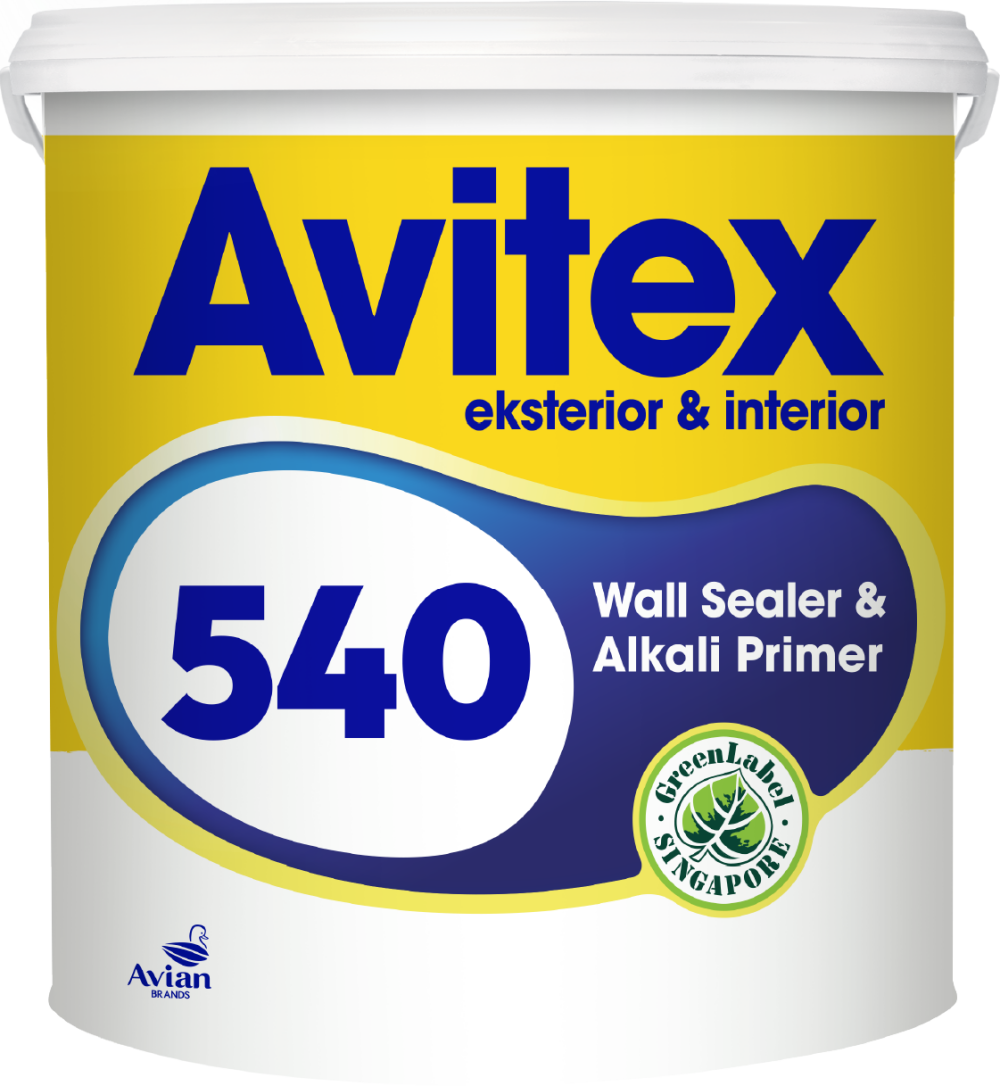
Avitex 540 Wall Sealer & Alkali Primer
Green Label Singapore

Giant Mortar 225 - Plamir Instan Ekonomis
For Interior & Exterior

Avian Cling 2in1
Protects against rust

Avian Cling Primer
Preventing Rust

Cloth Tape
Easy to apply

Honeycomb Paint Roller
Good Absorption

Velcro Sanding Disc
Easy to Install

Eco Paint Roller
Good Absorption

Economical Water Faucet
Easy to Install

Iron Water Faucet
Brass Ball

No Drop Acian Anti Bocor
Waterproof
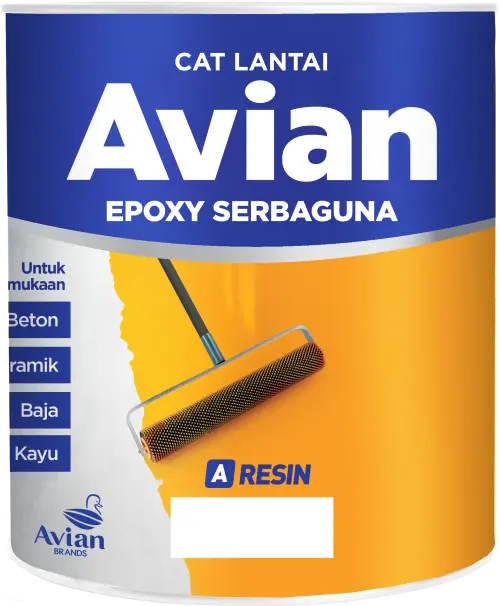
Cat Lantai Avian Epoxy Serbaguna
Best adhesion

Avitex Metallic
Green Label Singapore

Double Foam Tape
Flexible

OPP Tape Brown
Flexible

OPP Tape Clear
Flexible

Vinyl Electrical Tape
Strong Adhesion

Plastic Cover
Flexible

Abrasive Cloth Roll Eco
Durable

Jet Shower Set
Durable

Shower Hose
Durable

Jet Shower
Durable
Avian Aluminium Paint
Fast Drying

No Drop Pencampur Semen Multifungsi
Waterproof
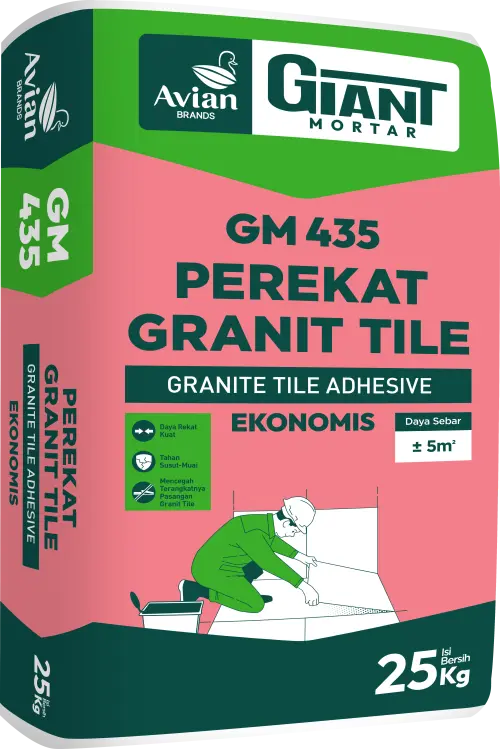
Giant Mortar 435 - Perekat Granite Tile
Strong Adhesive

Branch Faucet
Premium Materials

Washbasin Faucet
Premium Materials
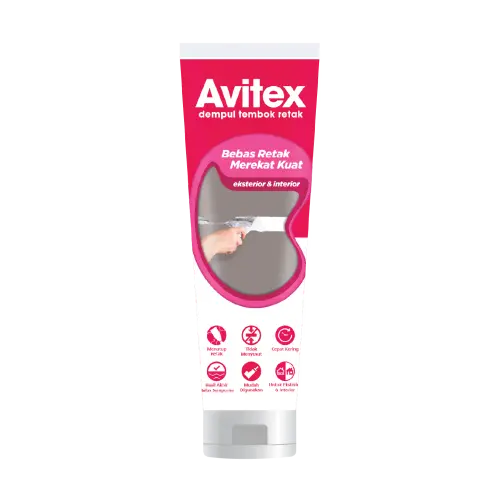
Avitex Dempul Tembok Retak
Closing Cracks

Wijono Tanoko

President Director
Indonesian Citizen, domiciled in Surabaya. Born in Malang, on August 28, 1952. He has served as President Director of PT Avia Avian Tbk since 1996.
He has served as President Director of PT Avia Avian Tbk since 1996.
Dear Valued Shareholders and Stakeholders,
We offer our praise and gratitude to God Almighty for His grace and guidance, which enabled Avian Brands to navigate 2025 with resilient performance amidst a challenging business environment. Throughout 2025, Avian Brands closely monitored the dynamic global and domestic macroeconomic conditions, characterized by market uncertainty, commodity price fluctuations, and shifting customer preferences that increasingly demand innovation and implementation of sustainability principles.
Despite these challenges, Avian Brands maintained solid operational and financial performance while further strengthening its position as the market leader in the national paint industry. This year, Avian Brands adopted the theme “Leading with Color, Inspiring with Sustainability,” reaffirming its strategic direction to focus not only on business growth but also on leadership in delivering positive impacts for the industry, the environment, and society at large. We believe that leadership rooted in sustainability is the primary foundation for creating long-term value for all stakeholders. Further details regarding Avian Brands' challenges, opportunities, strategies, and performance achievements throughout 2025 are outlined below.
Economic and Industrial Conditions in 2025
Throughout 2025, the global economy underwent a transition phase marked by policy shifts and heightened uncertainty. Changes in trade policies, including the implementation of higher tariffs by the United States and subsequent adjustment measures, reflected a growing trend toward protectionism and global economic fragmentation. Conversely, several developed nations implemented more expansive fiscal policies to sustain growth, despite concerns regarding fiscal sustainability and potential cross-border impacts. In this context, global economic growth is projected to slow from 3.3% in 2024 to 3.2% in 2025. Concurrently, the global inflation trend is expected to decline to 4.2% in 2025, while world trade growth remains limited due to the continued fragmentation of supply chains and international trade.
At the national level, the Indonesian economy demonstrated relatively strong resilience amidst these global dynamics. Economic growth in 2025 was recorded at 5.11%, an increase from the previous year’s 5.03%, driven by robust domestic demand, solid export performance, resilient investment, and support from government spending through the State Budget (APBN). Household consumption, the largest pillar of the national economy, grew by 4.98%, aligned with increased public mobility, the strengthening of digital transactions, and heightened activity in the transportation, communication, hospitality, and restaurant sectors. Government consumption also grew by 2.50%, reflecting the active role of fiscal policy in maintaining purchasing power and economic growth momentum. In terms of stability, inflation as of December 2025 was recorded at 2.92%, remaining within a manageable range. Monetary policy implemented by Bank Indonesia trended towards being accommodative, marked by a 125 basis point reduction in the BI-Rate throughout 2025 to 4.75% by year-end, further supporting the liquidity climate and stimulating national economic activity.
While national macroeconomic indicators showed relatively strong resilience, these dynamics were not uniformly transmitted across all industrial sectors. At the sectoral level, particularly in the paint and coatings industry, external pressures stemming from global economic uncertainty and geopolitical tensions continued to influence consumption behavior and production cost structures. This condition was reflected in more cautious customer demand and rising raw material costs, which impacted the cost of goods sold. These challenges prompted business players to strengthen efficiency and supply chain resilience to maintain operational stability amid challenging market dynamics.
Challenges and Obstacles Faced and Main Strategies to Drive Avian Brands’ Business Growth
Amid macroeconomic dynamics, the business climate faced by Avian Brands was characterized by various challenges and opportunities inherent to the manufacturing and building materials industries. These challenges included intensifying competition in the paint industry due to the entry of new players and aggressive pricing strategies, raw material price fluctuations influenced by global conditions, and changing customer preferences for high-quality, innovative, and eco-friendly products. Additionally, logistics and distribution challenges across Indonesia’s vast geography, the need for service speed, and operational cost efficiency demands remained critical factors that must be meticulously managed. In facing these conditions, Avian Brands continues to strengthen its business foundation to remain adaptive, competitive, and sustainable.
Avian Brands’ strength in maintaining business growth is built upon an extensive distribution network, a comprehensive product portfolio, consistently maintained product quality, and sustained sales leadership from period to period. In terms of distribution, Avian Brands continuously expands its reach to various cities across Indonesia through the expansion of wholly-owned distribution centers and partnerships with independent parties. Distribution success is determined not only by geographical coverage but also by the ability to quickly and efficiently reach the market. Therefore, the establishment of new distribution centers continues as part of the strategy to accelerate product flow, enhance operational efficiency, and ensure optimal product availability and service quality for customers nationwide.
In terms of portfolio and product quality, Avian Brands continues to strengthen its innovation capabilities through the Avian Innovation Center (“AIC”), the largest innovation hub in Indonesia for paint and building material products. AIC plays a vital role in developing high-quality products, driving sustainable innovation, and enhancing manufacturing processes through digitalization, supported by the Laboratory Information Management System (“LIMS”) integrated with the Enterprise Resource Planning (“ERP”) system. Avian Brands also utilizes cutting-edge research and testing instruments, such as Rheology Profiling and Gas Chromatography, and applies international standards to ensure the highest and most consistent product quality. In line with rising sustainability awareness, Avian Brands is actively strengthening its product portfolio, which has obtained SNI, GLS (Green Label Singapore), and TKDN (Domestic Component Level) certifications.
Meanwhile, sustained sales leadership from period to period reflects Avian Brands' commitment to expanding its business scale measurably while strengthening long-term competitiveness. This growth strategy is supported by competent, dedicated human resources, which are meticulously managed in accordance with labor regulations and industry best practices. Information technology reliability is also an inseparable strategic component in supporting overall business activities. Concurrently, Avian Brands continues to enhance brand awareness through continued marketing programs and strengthens customer loyalty through the Avian Brands Priority Customer and Avian Brands Partner Programs. Avian Brands also expands its market into non-retail segments, such as projects, new builds, and business-to-business (B2B).
Roles of the Board of Directors in the Formulation and Implementation of the Avian Brands’ Strategies
The Board of Directors plays a central role in shaping Avian Brands' strategic direction, ensuring that every business decision is grounded in a deep understanding of industry trends, market dynamics, and customer needs and expectations. The strategy formulation process is conducted comprehensively, considering the business environment, Avian Brands' internal conditions, and inherent opportunities and risks. This ensures that the established strategies are not only responsive to short-term changes but also aligned with the long-term goals of creating sustainable value for all stakeholders.
In strategy implementation, the Board of Directors is responsible for ensuring that every operational step is executed in accordance with GCG principles, oriented toward efficiency, and focused on achieving measurable results. The Board of Directors actively supervises the execution of various strategic initiatives through cross-functional coordination mechanisms, monitoring key performance indicators, and periodic evaluations of achievements. This approach allows Avian Brands to ensure that all initiatives proceed according to plan, deliver positive impacts on operational and financial performance, and support the long-term business viability of Avian Brands.
Performance Achievements and Business Targets of Avian Brands
Avian Brands continues to demonstrate excellence and resilience in its performance, with operational and financial achievements aligned with its sustainable growth strategy, despite increasingly complex challenges in industrial dynamics and the broader business environment. On the production side, Avian Brands recorded a production realization of 227,266 metric tons or 99.00% of the established target, a 15.16% increase compared to the 2024 realization of 197,339 metric tons. Of this total production, the Sidoarjo Plant remained the primary pillar with a contribution of 153,672 metric tons or 67.62% of total production, while the remainder was produced by the Serang Plant with an achievement of 73,594 metric tons or 32.38% of total production. This operational performance was further supported by the launch of up to 12 new products throughout 2025, designed to meet diverse market needs and strengthen the product portfolio. Additionally, Avian Brands successfully increased the number of its TKDN-certified products to 55 and maintained GLS certification for 40 products, as part of its commitment to enhancing competitiveness and product sustainability.
In terms of its financial performance, Avian Brands recorded net sales of IDR8,123.69 billion, or 99.85% of the 2025 target, an 8.73% increase from the 2024 realization of IDR7,471.36 billion. This achievement was supported by the architectural solutions segment, which booked net sales of IDR6,291.90 billion or 77.45% of total net sales. Meanwhile, the trading goods segment contributed net sales of IDR1,831.78 billion or 22.55% of total net sales. The cost of goods sold was recorded at IDR4,545.43 billion, a 10.04% increase compared to 2024’s IDR4,130.61 billion. Accordingly, Avian Brands' profit for the year was recorded at IDR1,744.02 billion or 102.89% of the target, a 4.83% increase compared to the 2024 figure of IDR1,663.70 billion.
Beyond operational and financial milestones, Avian Brands also recorded significant strategic achievements throughout 2025. On March 13, 2025, Avian Brands made a strategic investment of IDR275.8 billion by acquiring 16.67% of new shares in PT Dextone Lemindo, the manufacturer of "Dextone" adhesives. This step is part of Avian Brands’ growth strategy, both organic and inorganic, while strengthening product portfolio synergies and solidifying its position as the decorative paint market leader in Indonesia.
Furthermore, Avian Brands received recognition as the 2024 Market Leader in the Indonesian Paint & Coating Industry award from Frost & Sullivan, the 2025 Katadata ESG Awards for the Chemicals Sector in the Governance Category from Katadata, the 2025 ENSIA in the Environmental Innovation Category for the Emission Reduction Program from Sucofindo, Top 50 Big Capitalization Public Listed Company and Best Sustainability and Resilience (Big Cap) from the Indonesian Institute for Corporate Directorship (“IICD”), inclusion in the Fortune Southeast Asia 500 by Fortune, recognition for the 2025 Indonesian Architectural Paints and Coatings Market Leadership from Frost & Sullivan and being named a Strong Performer – Asia Top 30 ranking in the Paints & Coatings Category by the Asian Coatings & Ink Federation (“ACIF”) and the Singapore Paints & Coatings Association (“SPACA”).
Avian Brands’ Future Business Prospects
Looking ahead, Avian Brands' business prospects will continue to be affected by global economic dynamics, which remain in an adjustment phase. An increasingly fragmented international economic landscape, accompanied by structural challenges such as aging populations and moderate productivity growth, is expected to constrain medium-term growth acceleration. Under these conditions, global economic growth in 2026 is projected to slow down from 2025, with global inflation expected to continue its decline to 3.7% in 2026. Nevertheless, easing inflationary pressures and stabilization of monetary policies in several countries are expected to provide room for a gradual recovery in global demand.
Amidst ongoing global challenges, the national economy is projected to demonstrate relatively strong resilience and positive recovery momentum. For 2026, upside risks are expected to outweigh downside risks, supported by maintained macroeconomic stability, continued fiscal and monetary policy support, and the strengthening of international trade agendas. The Indonesian Government is optimistic that Indonesia's economic growth in 2026 can reach a target of 5.4%, driven by solid domestic consumption, sustainable investment, and efforts to diversify export markets. This condition serves as a vital foundation for the business world, including the manufacturing and building materials industries, to pursue continuous growth.
In line with these developments, the Indonesian paint and coatings industry is projected to grow at approximately 6.5% annually over the 2025–2032 period. This prospect is primarily driven by an increase in domestic consumption, which currently reaches approximately 1.3 million metric tons, equivalent to 4.2 kilograms per capita. However, Indonesia’s per capita consumption remains relatively lower than that of regional peers such as Thailand and Malaysia, which range between 8–12 kilograms per capita, suggesting significant room for long-term growth. While a potential weakening of purchasing power may hinder short-term consumption growth, it does not diminish the industry's overall structural prospects in the medium to long term.
To optimize this growth momentum, Avian Brands has set a strategic focus to drive double-digit sales growth, particularly through expansion in the architectural solutions segment, which continues to show potential in line with increasing activity in the architecture and construction sectors. To support this objective, Avian Brands will prioritize the use of cutting-edge technology to enhance production efficiency, the development of modern laboratories staffed by expert chemists to strengthen product innovation, and improvements in supply chain quality and reliability. Furthermore, Avian Brands will continue to optimize the implementation of ESG principles as an operational foundation, sustainably develop human resource competencies, expand distribution networks to reach wider markets, and strengthen integrated information technology systems. With this strategy, Avian Brands is optimistic about maintaining sustainable business growth while solidifying its position as the market leader in the national paint industry.
Implementation of Good Corporate Governance
Avian Brands places GCG implementation as the primary foundation for all business activities and strategic decision-making. GCG implementation is not only oriented toward regulatory compliance but also directed at building a sustainable culture of integrity, transparency, and accountability across all levels of the organization. To support this, Avian Brands implements an integrated internal control system to ensure operational effectiveness, reliable financial reporting, asset protection, and regulatory compliance, supported by the Internal Audit Unit, which provides independent and continuous oversight.
In line with these efforts, Avian Brands implements a structured risk management system as part of the strategy planning and execution process, through proactive risk identification, evaluation, and control. Avian Brands also optimizes the Whistleblowing System (WBS) as a reporting mechanism that ensures whistleblowers' confidentiality and protection while fostering an ethical and responsible work environment. With a clear governance structure, effective checks and balances, and strengthened oversight and control, Avian Brands is optimistic that it can maintain stakeholder trust while supporting sustainable business growth.
Implementation of Sustainability Principles
Consistent with GCG principles implementation, Avian Brands integrates sustainability into its strategy and operations through a 4-pillars approach: Product, Environment, People & Community, and Governance. Through the Product Pillar, Avian Brands strengthens its commitment to quality, product safety, and information transparency, while driving innovation in low-carbon and low-Volatile Organic Compound (VOC) formulations. Avian Brands actively listens to customer feedback, enhances quality standards, and ensures a better and more consistent customer experience at every service point. Within the Environment Pillar, Avian Brands focuses on increasing energy efficiency, wiser management of water and raw materials, and strengthening circular-economy initiatives across all business processes. Avian Brands is also developing a decarbonization roadmap that includes renewable energy, more measurable emissions management, and the development of low-carbon products. These efforts are aimed not only at achieving operational targets but also as a tangible contribution to addressing climate change challenges and preserving the environment.
Through the People & Community Pillar, Avian Brands ensures that business growth goes hand in hand with improved welfare for people. Consequently, Avian Brands continues to expand its Corporate Social Responsibility programs; solidifies its commitment to respecting human rights; implements principles of diversity, equity, and inclusion; and enhances occupational health and safety. Competence development through continuous training and employee welfare enhancement remain key pillars in building a resilient and sustainable organization. Meanwhile, the Governance Pillar serves as the basis for maintaining Avian Brands' integrity and accountability through transparent governance, strengthening the WBS, and compliance with prevailing laws and regulations. Avian Brands also implements sustainable procurement and supply chain management practices, including supplier assessments, the use of renewable raw materials, and logistics optimization to increase efficiency and reduce environmental impact. Through these four pillars, Avian Brands is committed to creating balanced long-term value for Avian Brands, its stakeholders, the environment, and society at large.
Closing
In closing this report, we would like to express our gratitude to all Avian Brands employees for the dedication, professionalism, and commitment demonstrated in fulfilling every role and responsibility. Concrete contributions of all individuals are the primary force that enables Avian Brands to keep growing, innovating, and maintaining sustainable performance. We also extend our highest appreciation and gratitude to the Board of Commissioners for their consistent guidance, advice, and oversight functions provided throughout 2025. Strong support and synergy between the Board of Commissioners and the Board of Directors have served as a key foundation for maintaining governance discipline, ensuring accurate decision-making, and sustaining the implementation of Avian Brands' strategies amid evolving business environment dynamics.
Appreciation is also extended to the Shareholders for their continued trust and support, as well as to all stakeholders, including customers, business partners, suppliers, and regulators, for the excellent cooperation established. With the support of all parties, the Board of Directors is optimistic that Avian Brands can step into the future in a stronger, more competitive, and sustainable manner.
On behalf of the Board of Directors
PT Avia Avian Tbk,
Wijono Tanoko
President Director

Connect With Us


Download the App


© Avian Brands 2026


