






























The ceiling is one of the important elements in interior home design that gives a neater and more aesthetic impression to a space. PVC ceilings have become one of the most widely used materials today because they are durable, lightweight, and easy to maintain.
However, many homeowners are still hesitant to paint PVC ceilings because they worry that the paint will peel or not apply evenly. In fact, adding a touch of color to a PVC ceiling is an instant way to change the atmosphere of a room without having to overhaul the entire structure. With proper preparation and the right products, you can achieve a smooth and long-lasting finish.
Want to paint a PVC ceiling but don’t know where to start? Follow these steps!
1. Clean the PVC Ceiling Surface
Cleaning the PVC ceiling surface is an important first step before starting the painting process. Dirt that sticks to the ceiling can prevent the paint from adhering properly, resulting in uneven coverage and easy peeling. Therefore, make sure the ceiling surface is completely clean from dust, dirt, or grease.
To remove dust and cobwebs, you can use a microfiber duster or a vacuum cleaner with a soft brush attachment. You can also use a microfiber cloth or a soft sponge to avoid damaging the PVC surface.
If there are stubborn stains, you can use a mixture of water and soap. Avoid scrubbing the PVC surface too hard with rough materials, as scratches may become visible after painting.
Make sure to clean the corners and joints between PVC panels from small particles that could make the paint texture rough or speckled. Also ensure that the ceiling surface is completely dry so the paint can adhere perfectly.
2. Use the Right Painting Tools
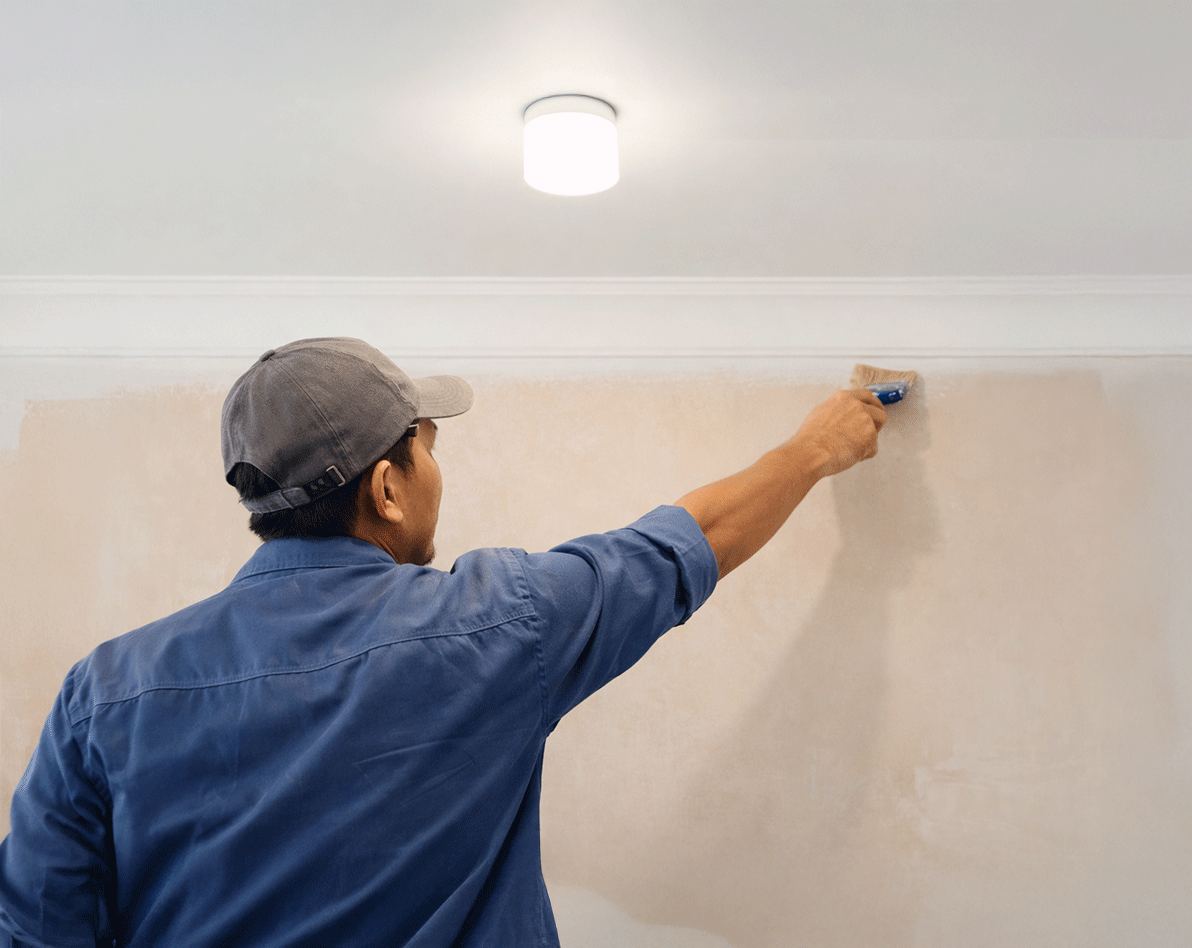
In addition to cleaning the ceiling surface, choosing the right painting tools is also an important step to consider. Using the right tools greatly affects the final result of painting a PVC ceiling.
Here are some painting tools you can use for PVC ceilings:
- Roller: Suitable for large ceiling areas because it spreads paint quickly and evenly. Choose a roller with dense foam or short nap for better results.
- Brush: Suitable for reaching corners, edges, or narrow areas. Use a brush with smooth synthetic bristles to avoid leaving brush marks on the PVC surface.
- Spray gun: Ideal for a smooth, even, and aesthetic finish. Using a spray gun is effective for covering the joints between PVC panels, making the ceiling look seamless.
;
3. Choose Monochrome Colors for an Elegant Look
If you want to create an elegant and modern home appearance, monochrome colors can be an effective choice. Ceiling colors such as white, gray, and black can provide a neat look without being excessive.
Monochrome colors are also easy to combine with various interior styles, from minimalist to industrial. A monochrome PVC ceiling can balance other elements in the room, such as furniture and decorations.
Painting a PVC ceiling with monochrome colors will help disguise the visible panel joints. Solid colors like monochrome visually soften these lines, making the room appear neater.
4. Choose Pastel Colors for a Softer Look
If you want to create a lighter and more calming atmosphere, pastel colors can be the right choice. Using pastel shades will give a soft impression and make the room feel brighter.
Some pastel colors that can be used for ceilings include light blue, peach, and lavender. These colors are suitable for family rooms, relaxation areas, or cozy bedrooms.
Read Also: Pay Attention to These 3 Steps Before Applying Waterproof Coating Paint
5. Choose a Warm Tone Palette for a Cozy Ambience
Choosing a warm tone palette for a PVC ceiling is a great way to create a cozy and comfortable home atmosphere. Some color options include cream, beige, and terracotta.
Warm tones also help create a more lively and less rigid atmosphere, making them ideal for relaxation or family gathering areas. This color palette pairs well with natural materials to enhance a natural interior feel, such as wood and textured fabrics.
6. Apply Two Coats of Paint
To achieve a more solid and long-lasting color, it is recommended to apply two coats of paint. A single coat is usually not enough to cover the surface perfectly, especially if the base color of the ceiling differs from the paint color.
The first coat acts as a base to cover the surface evenly and helps the paint adhere well. Once the first coat is dry, apply a second coat to strengthen the color.
The second coat also helps cover thin areas and fill small gaps. A ceiling painted with two coats will result in a smoother, more aesthetic, and more durable finish.
Use High-Quality Paint
To achieve the best results when painting a PVC ceiling, make sure to choose a high-quality product such as Avitex Gold from Avian Brands. Avitex Gold is an acrylic-based paint with a deep matte finish, making it suitable for ceiling surfaces.
Avitex Gold also features minimal splatter, making the painting process easier. This paint has excellent durability, making it suitable for ceilings, plaster, gypsum boards, and is multifunctional for both exterior and interior walls.
The advantages of Avitex Gold from Avian Brands:
- Color does not fade easily.
- High durability with excellent coverage.
- Anti-fungal and mildew resistant.
- Easy to apply.
- Provides a perfectly smooth finish.
By using high-quality paint like Avitex Gold, you can achieve an aesthetic ceiling appearance. Create a comfortable and elegant home with attractive colors together with Avian Brands!