





























Many people desire a minimalist home design that feels warm and relaxed. The Japandi style addresses this need by combining the Japanese philosophy of simplicity with the warmth of Scandinavian design. Avian Brands' friends can now enjoy a home that balances function and comfort.
Want to incorporate Japandi style into your dream home? Learn more below!
What is Japandi Style?
Japandi style is an interior design concept that combines Japanese aesthetics with Scandinavian style. The term "Japandi" itself is derived from the words "Japanese" and "Scandinavian."
This style draws inspiration from Japanese philosophy, the concept of wabi-sabi, which means beauty in simplicity and imperfection. Meanwhile, from Scandinavia, this style adopts the principle of hygge, which emphasizes comfort and warmth in everyday life.
Japandi style is an ideal choice for those seeking a minimalist home that feels vibrant and comfortable. This blend of two cultures creates a balance between aesthetics and function, while also creating a peaceful atmosphere within the home.
Advantages of Japandi Style for Minimalist Home Design
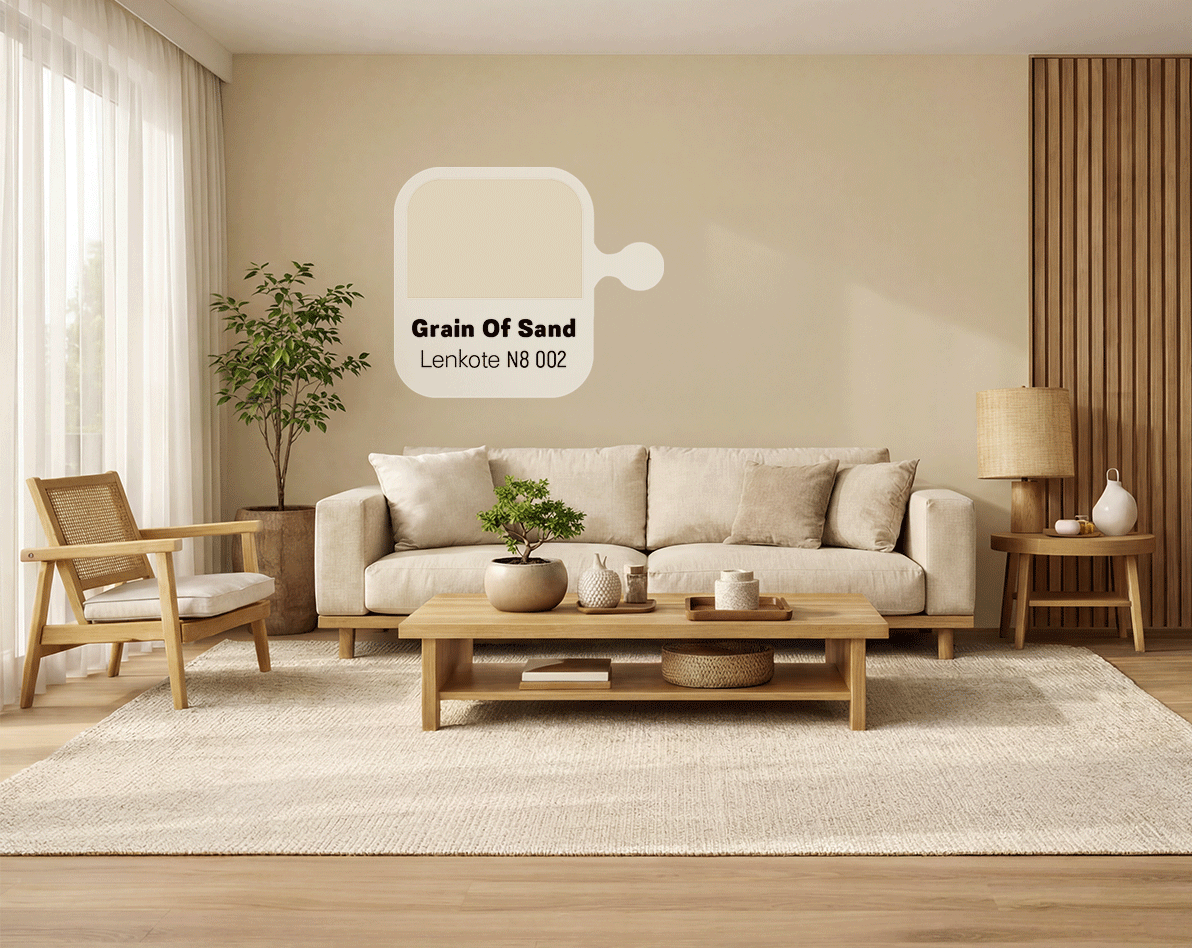
The Japandi style is a concept well-suited for minimalist home design. This style creates a calming feel and can create a timeless home. Here are some of the advantages of the Japandi style that you should know:
1. Gives a calm and comfortable impression
The Japandi style is designed to create a calming atmosphere through its various elements, from the use of neutral colors to natural lighting and materials. These elements help create a warm and peaceful atmosphere, making the home feel more comfortable.
2. Creates the illusion of a larger room
The Japandi style is synonymous with clean, minimally decorated spaces, free of unnecessary items. The furniture used is generally simple in design and proportionate in size.
This makes a room feel more spacious, even in a home with limited space. Furthermore, choosing light colors and maximizing lighting also helps create the illusion of more space.
3. Providing a Balance Between Aesthetics and Function
One of Japandi's key strengths is its ability to combine visual beauty with optimal function. Each element is chosen not only for its appearance but also for its utility. For example, multifunctional furniture, efficient layouts, and ergonomic design are essential.
Also Read: Modern Minimalist Home Design Inspiration
4. Providing Timeless and Eco-Friendly Housing
Japandi style does not follow fast-changing trends, but instead applies designs that are simple and remain relevant over time.
Furthermore, the use of natural materials and a focus on quality make the Japandi concept promote a more sustainable lifestyle. Durable furniture and minimal consumption of decorative items help reduce waste, making it more environmentally friendly.
Characteristics of Japandi Design in Minimalist Homes
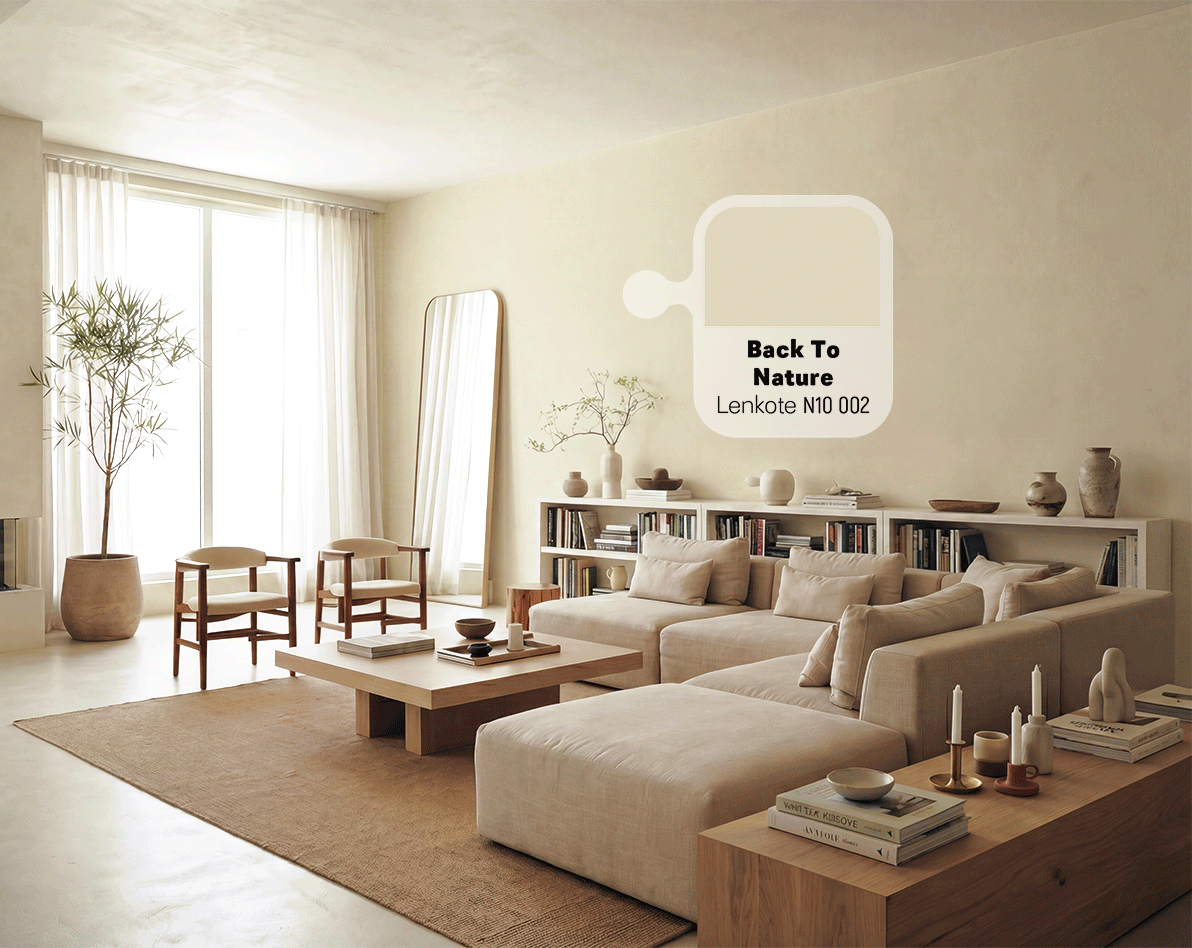
Want to embrace the Japandi style but aren't sure where to start? Avian Brands' friends can incorporate several hallmarks of the Japandi style, from warm minimalism to organized layout.
Here are some characteristics of the Japandi style in minimalist home design that you need to know.
1. Minimalist Yet Warm
The Japandi style embraces a minimalist concept that doesn't feel cold or stiff, but instead creates a warm impression. The minimalism of the Japandi style means eliminating visual clutter while still making room for items of special value.
Simplicity remains the primary focus of Japandi style, but it's combined with warm elements from a play of textures. For example, wool pillows, hemp rugs, or soft linen curtains. The room's appearance remains clean and simple, yet feels more comfortable and lived-in.
2. Neutral and Natural Color Palette
The colors used in Japandi design tend to be soft and calming. The right combination of Japanese and Scandinavian colors creates visual depth without disrupting the serenity of the room.
For base colors, you can use neutrals like white, cream, gray, beige, or light brown. For contrasting accents, you can add earth tones like wood brown, olive green, or gray.
3. Functional and Low-key Furniture
Another characteristic is the use of simple, multifunctional, and low-slung furniture. For example, low tables or chairs without high legs.
This is inspired by Japanese culture, which focuses on the floor and avoids intricate carvings. The use of this furniture also creates a more spacious and proportionate feel.
4. Use of Natural Materials
The Japandi style emphasizes natural materials in a variety of applications. These materials not only enhance the natural feel but also provide warmth and texture, making a space feel more comfortable.
Here are some types of materials that are often used in the Japandi style:
- Wood
- Bamboo
- Rattan
- Linen
- Ceramics
- Naturan stones
5. Neat and Organized Space
Tidiness is a key element of Japandi design. Every item has its place, and only the essential elements are kept. Without excessive decoration, the room appears cleaner, more spacious, and easier to maintain.
The Japandi style also incorporates smart storage, using built-in cabinets or hidden storage boxes. The goal is to keep items clutter-free and simplify daily home maintenance.
Bring Japandi Style to Your Minimalist Home with Avian Brands
Creating a Japandi style in a minimalist home can start with choosing the right wall paint color from a quality product. Avitex Wizz can be an option to present a Japandi concept that is calming, but still attractive and aesthetic.
Avitex Wizz is a wall paint with a twice-thickened formulation and can be diluted up to 40%, making it more economical. This wall paint also provides excellent coverage for covering imperfections in your home's interior.
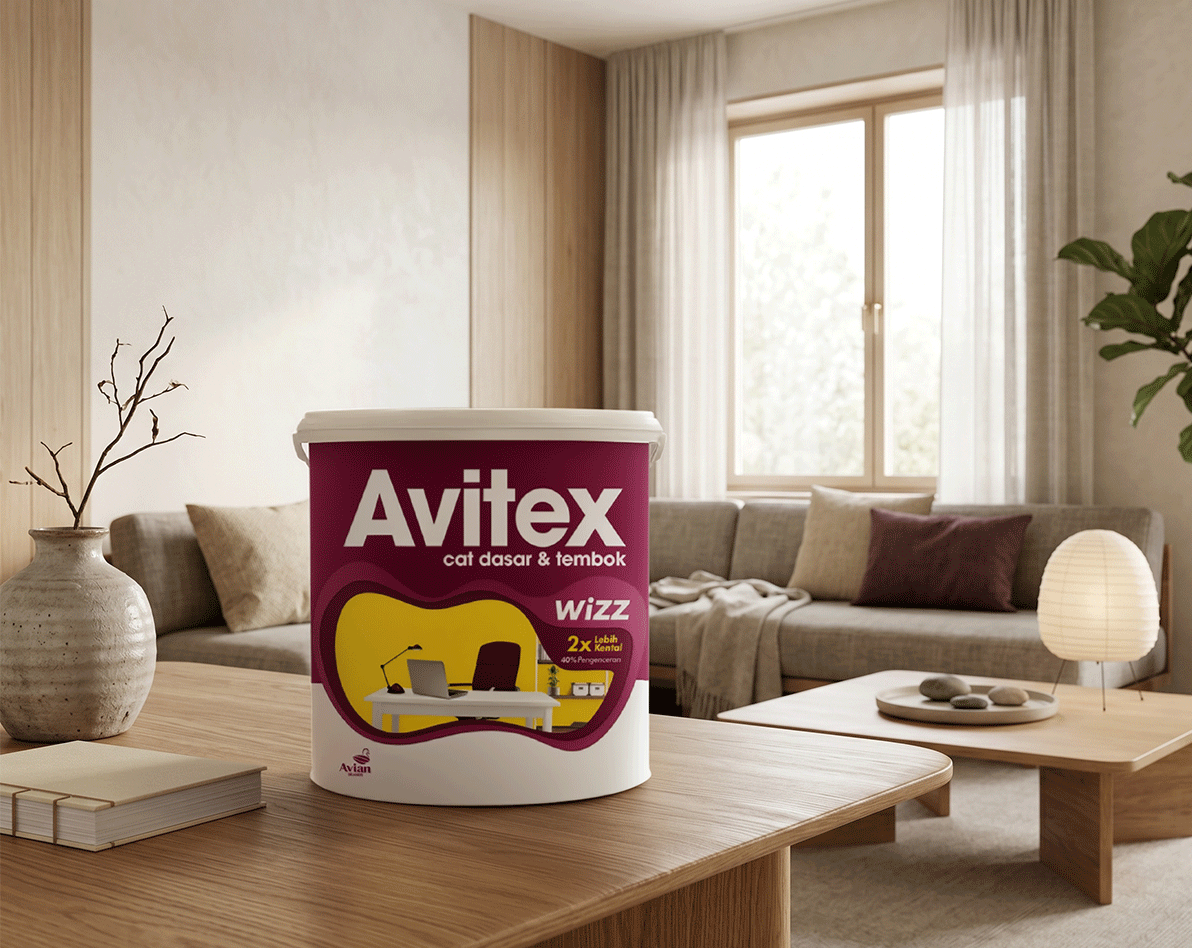
The advantages of Avitex Wizz from Avian Brands:
- Formula is 2x thicker, can be diluted up to 40% dilution.
- Has the best covering power.
- Covering wall imperfections.
- Quick drying and more economical.
- 3 year warranty.
With Avitex Wizz, Avian Brands friends can bring Japandi style to minimalist homes more economically. Create a comfortable and relaxing Japandi-style home with Avian Brands!