


































Minimalist house models are no longer just a trend, but have become part of a modern lifestyle. This housing concept prioritizes function and comfort for its residents while maintaining an elegant appearance. With proper arrangement, Avian Brands friends can create an aesthetic minimalist home.
So, how do you arrange interior spaces based on a minimalist home model? Check out the tips below!
1. Utilize an Open Space Layout (Open Space)
The open space concept or open layout is one of the main keys in arranging a minimalist home interior. The goal is to make the house feel more spacious and functional, creating a freer flow of movement.
An open space layout combines several room functions by minimizing permanent partitions. For example, combining the living room, dining room, and kitchen without walls.
Besides giving a spacious impression, open space also maximizes natural lighting and air circulation. Light from windows can reach more areas, making the house brighter and more energy-efficient. Air circulation also becomes smoother, creating a cooler and more comfortable living environment.
Even without permanent partitions, you still need to differentiate the function of each area. You can divide zones using interior elements, such as:
- Furniture arrangement, for example using a bookshelf as a divider between the living room and family room.
- Using rugs with different colors or textures to mark the living room area.
- Differences in floor height or ceiling design to create visual boundaries between the family room and kitchen.
2. Apply the High Ceiling Concept
The high ceiling concept is an effective way to create a more spacious feel. The greater distance between the floor and ceiling makes the room feel larger, less stuffy, and more aesthetic.
In addition to aesthetics, high ceiling also plays an important role in improving air circulation. Hot air tends to rise, so the lower area remains cooler and more comfortable for activities. This is especially beneficial for homes in tropical climates like Indonesia.
To maximize the effect, you can add tall windows or vertical openings to allow more natural light in. You can also use vertical decorative elements to emphasize the room’s height, such as long curtains and pendant lights.
3. Choose Multifunctional Furniture
In a minimalist home, every element must have maximum functionality. Multifunctional furniture is the right solution to maintain efficiency and comfort. This type of furniture is designed to have more than one function, saving space without reducing essential needs.
Besides saving space, multifunctional furniture also helps keep the interior neat and organized. Items can be stored properly without adding too many elements to the room. The home will feel more spacious, clean, and still aesthetic.
Here are some ways to choose multifunctional furniture for a minimalist home:
- Choose furniture with more than one function, for example a sofa bed that can be used as seating and an extra bed.
- Utilize hidden storage spaces, such as beds with built-in drawers.
- Use foldable furniture that can be stored when not in use, such as folding tables and stackable chairs.
- Choose furniture with proportions that match the room size, clean design lines, and not too bulky.
4. Apply the Less is More Principle
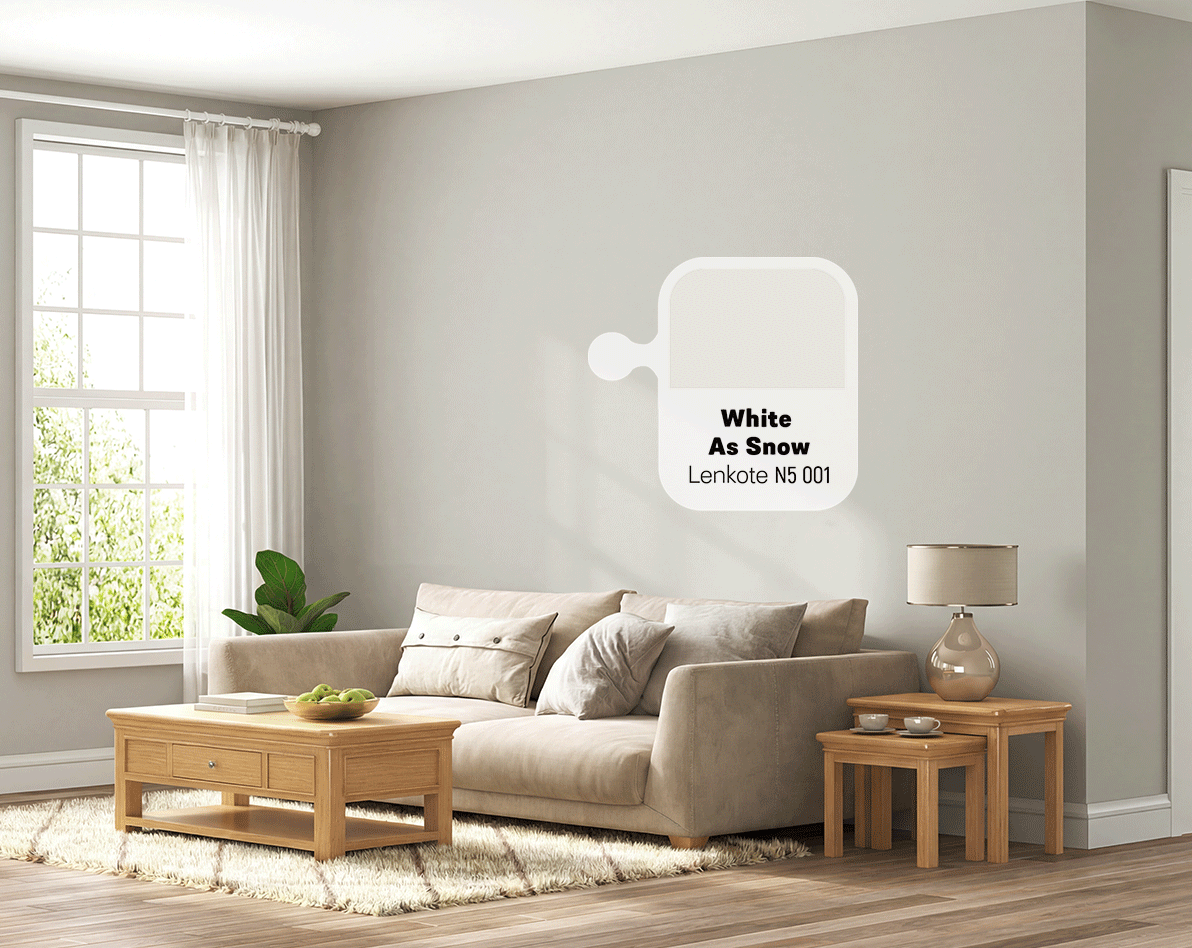
The less is more principle emphasizes using interior elements in a simple and non-excessive way. Choose only items that are truly needed and have clear functions so the space remains spacious and comfortable. Avoid piling up unnecessary items, decorations, or furniture.
In this principle, focusing on quality is more important than quantity. It is better to use one or two high-quality pieces of furniture than many cheap ones that wear out easily.
5. Avoid Using Permanent Partitions
Using permanent partitions like walls can make a room feel smaller and more enclosed. Therefore, it is best to avoid them to keep the space flow open and spacious.
As an alternative, you can use non-permanent dividers to create visual boundaries. Here are some options:
- Transparent or semi-transparent partitions, such as glass dividers.
- Furniture, such as open bookshelves and sofa backs.
- Flooring and rugs with different textures or colors.
- Foldable partitions.
- Curtains to separate areas.
6. Choose Neutral and Bright Wall Paint Colors
The choice of wall paint color plays a major role in creating a spacious impression in a minimalist home. Neutral and bright colors reflect light better, making the room look brighter and more open.
In addition, neutral colors give a clean and tidy impression, which is a hallmark of minimalist design. This color palette is easy to combine with various types of furniture and decorations, creating an aesthetic yet simple interior look.
Here are some recommended wall paint colors for a minimalist home:
- White
- Cream
- Pastel
- Light gray
- Light brown
You can choose neutral and bright wall paint colors for a minimalist home model from a high-quality product, Supersilk Emulsion wall paint.
Supersilk Emulsion from Avian Brands is a premium interior paint that produces a smooth finish with beautiful and long-lasting colors. Supersilk Emulsion also uses Stain Guard Technology that effectively protects surfaces from dirt and makes them easy to clean.
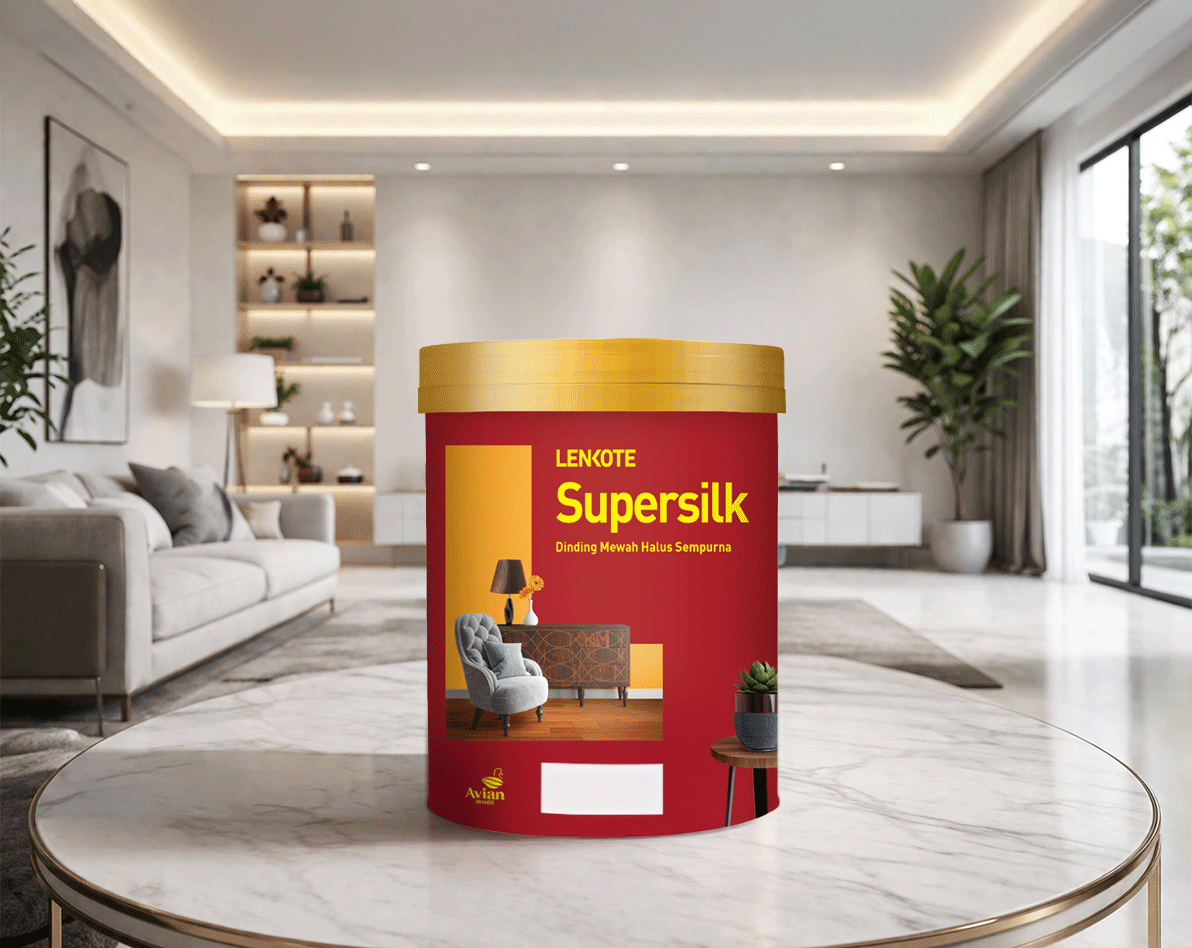
The advantages of Supersilk Emulsion from Avian Brands:
- Provides a smooth and non-glossy finish.
- Produces more beautiful and long-lasting colors.
- Easy to clean with water and resistant to dirt.
- Offers excellent coverage.
- Anti-bacterial, odorless, and environmentally friendly.
With Supersilk Emulsion, you can achieve an aesthetic minimalist home look with long-lasting colors. Create the latest minimalist home model more easily with Avian Brands!