

































A home is a shelter that must provide a sense of safety and comfort for its occupants. Therefore, homeowners need to consider various design elements and security features. One of the latest innovations that can provide dual benefits in terms of home security and aesthetics is the use of secondary skin.
What is Secondary Skin?Secondary skin on a house is an additional element or layer applied to the exterior of the main wall to provide additional functions, protection, or aesthetics. The selection of a house's secondary skin can be influenced by various factors including climate, budget, energy needs, and design preferences. Meanwhile, common materials used as secondary skin include wood walls, natural stone, metal, and even modern materials such as composite panels.
Some common types of house secondary skin include:
- Brick Veneer
Thin bricks attached to the main wall to provide a brick look without adding significant structural load.
- Insulation Panels
Panels combining thermal insulation layers and exterior cladding materials that help with a home's energy efficiency.
- Metal Cladding
Metal materials such as aluminum or steel used as an additional layer. Resistant to corrosion and weather changes.
- Wood Walls
Exterior layers made of wood can create a modern yet exclusive and luxurious look while maximizing a natural impression.
- Vertical Gardens or Green Walls
Living walls in the form of plants enhance the aesthetics of a home's facade and have environmental benefits.
The main function of secondary skin is to enhance a home's security, thermal performance, and aesthetics.
Security FunctionSecondary skin acts as an additional protective layer against extreme weather such as heavy rain, strong winds, and extreme temperatures. This can help prevent structural damage to the house walls and maintain the building's reliability.
Furthermore, materials used for secondary skin often have fire-resistant properties, making them an additional layer that can protect the house from fire hazards. Additionally, some materials are also resistant to insect and fungal attacks, reducing the risk of long-term structural damage.
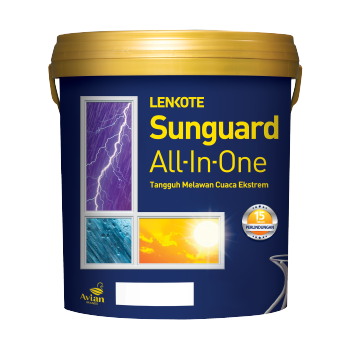
To add protection to the exterior walls of your home, apply Sunguard All-In-One exterior wall paint. The UV Shield Pro technology in Sunguard All-In-One can withstand and reflect back the sun's UV rays. As a result, wall colors do not fade quickly and room temperatures become cooler by up to 5°C. Sunguard All-in-One products also feature self-cleansing technology, keeping walls free from moss and fungi.
Read Also: Don't Be Afraid of Moldy and Fading Exterior Walls, Here's How to Deal With It
Thermal FunctionSecondary skin can enhance a home's thermal insulation, helping to maintain more stable interior temperatures. This means the house will be more comfortable in all seasons, reducing the need for excessive heating or air conditioning, and lowering energy costs.
Some types of secondary skin have the ability to regulate humidity inside the house. This can help prevent mold growth and ensure a healthy indoor environment.
Aesthetic FunctionSecondary skin provides an additional visual dimension to the exterior of a house. With various material and design options, homeowners can create a look that matches their architectural style and personal preferences.
The choice of color and texture for secondary skin offers wide design flexibility. Homeowners can choose combinations that match other elements around the house or create an attractive contrast.
To make it more appealing, ensure the color of the secondary skin you use complements the exterior paint color of your home. The Sunguard All-In-One wall paint is available in thousands of color options that can be combined with types of secondary skin on the exterior of the house. Get the product at nearest building material stores and at the Avian Brands Official Store on Tokopedia Jakarta and Surabaya.
The use of secondary skin not only provides significant security benefits for a home but also improves energy efficiency and offers additional aesthetics. With careful consideration of suitable material types and designs, secondary skin can be a valuable investment to enhance property quality and value. Understanding the role of secondary skin when designing a home can help homeowners create a safe, comfortable, and beautiful environment.