










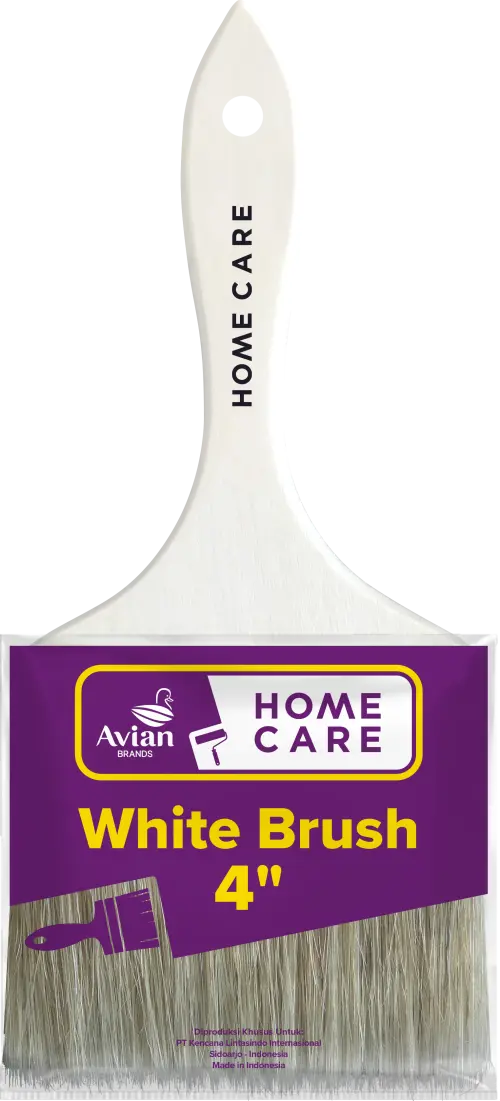
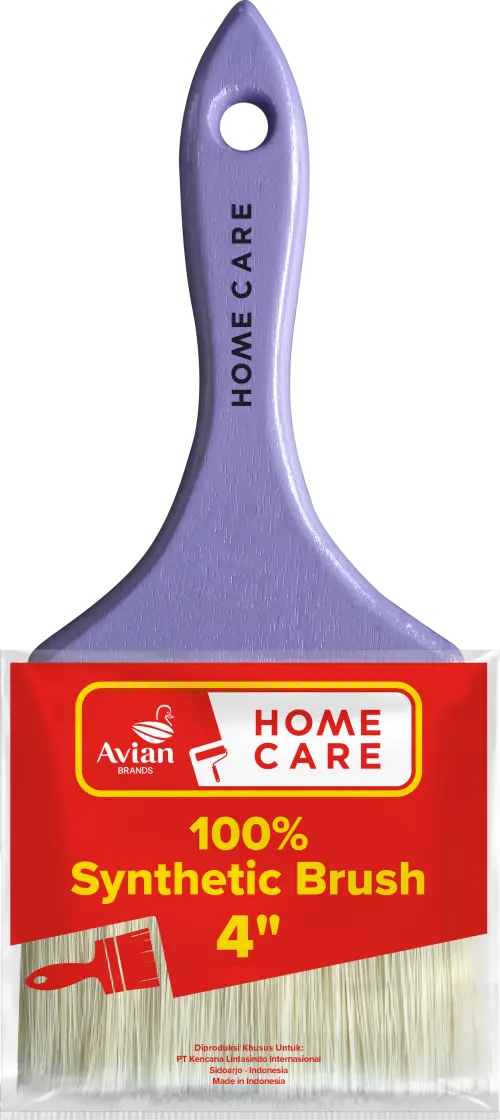


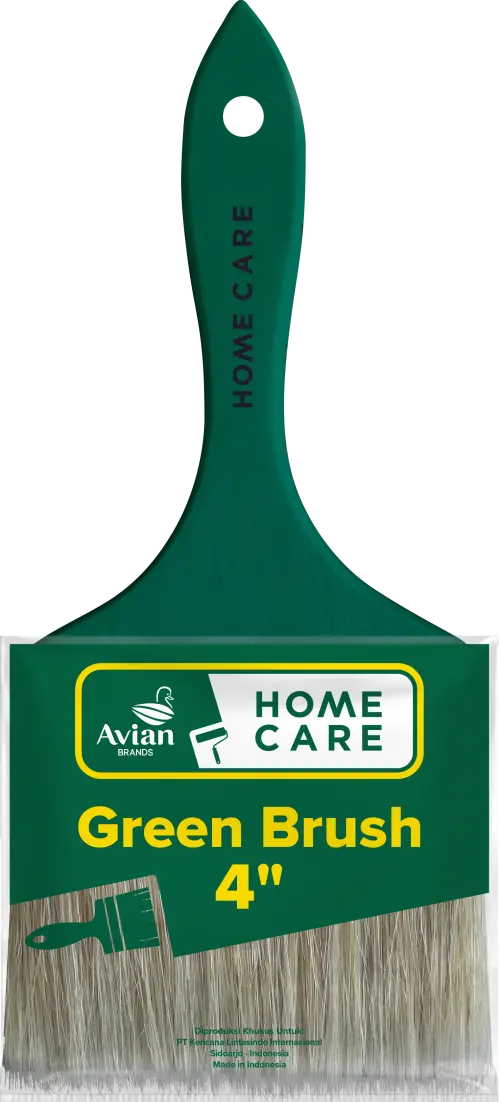












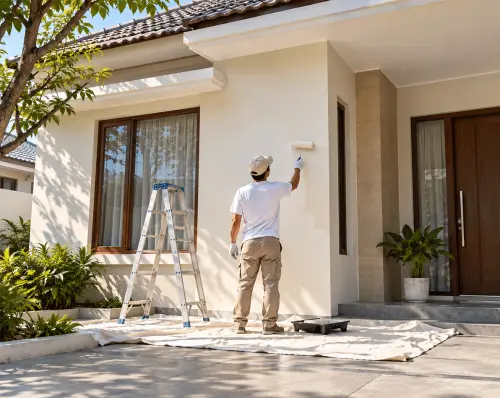
Before starting to paint a house, it is important to understand that not all paints have the same function. Each area of the house requires a different type of paint, because each is formulated with different binders and properties to suit the characteristics of the surface it covers.
The mistake of choosing the wrong type of paint, for example using wall paint for wood or iron surfaces, can make the painting result less than optimal and even easily damaged, because its adhesion and durability are not designed for such surfaces. The following is an explanation of the types of house paint based on their application areas, along with tips for choosing paint that suits your needs.
Why Is It Important to Understand Paint Types Before Painting a House?
Every surface has different characteristics, from walls that are porous and absorb liquids, wood that can expand and contract following air humidity, to iron that is prone to rust when exposed to water. Using an unsuitable type of paint can cause the final result to be uneven, easily peel off, or even fail to protect the surface from damage that should have been preventable.
Understanding this from the start also helps save costs and time, because painting that uses the wrong type of paint usually has to be redone in a shorter time compared to using the right paint from the beginning.
Types of Paint Based on Application Area
1. Wall Paint
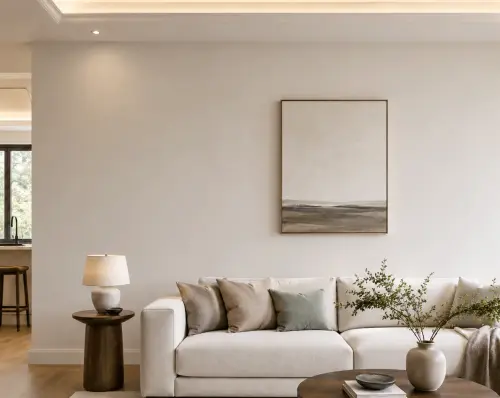
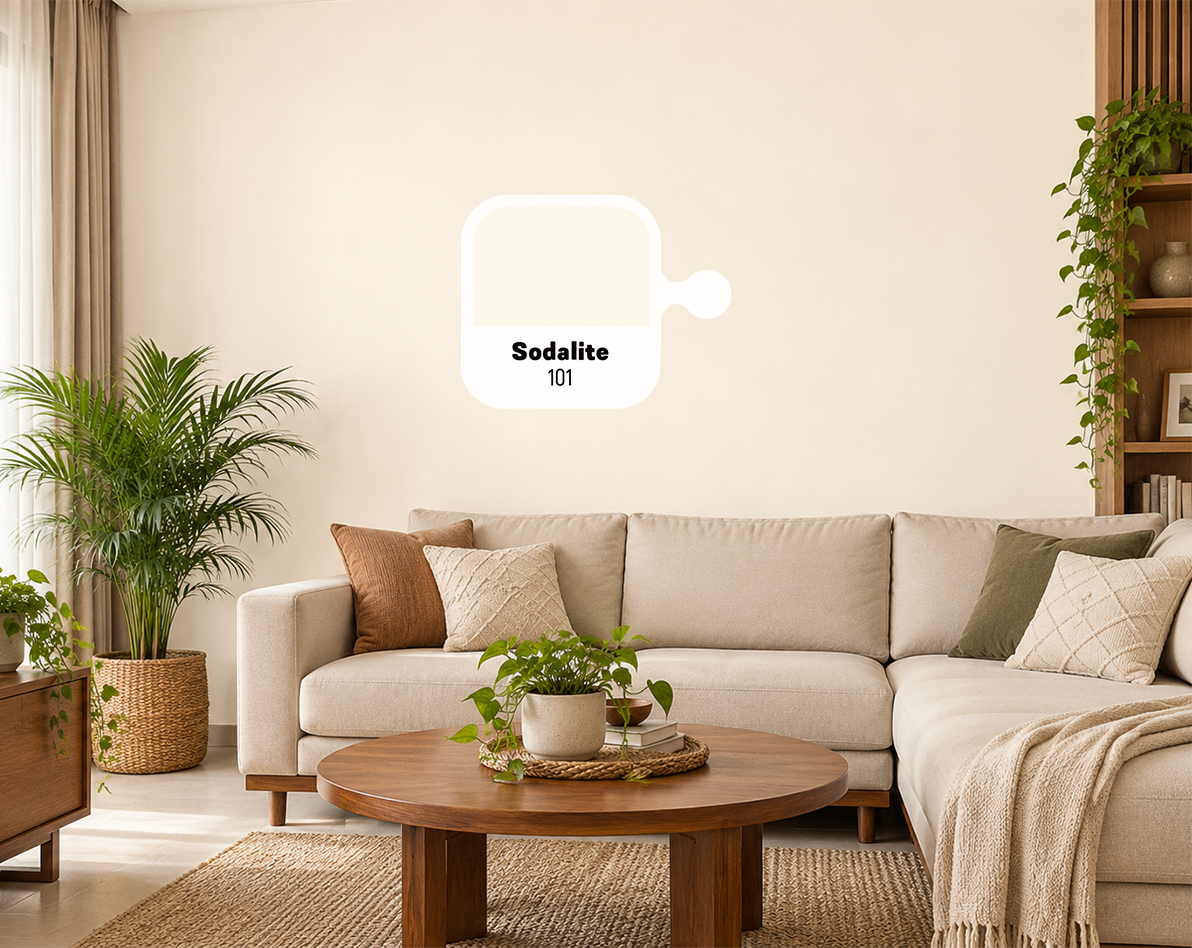
Wall paint is used to coat the wall surfaces of both the interior and exterior of the house. This type of paint is generally water-based with an acrylic binder, available in various color choices and gloss levels, from matte to glossy, and is designed to absorb and release moisture on plastered surfaces.
2. Wood and Iron Paint
This type of paint is specially formulated for wood and iron surfaces, such as fences, doors, or window frames. It is generally alkyd or synthetic-based so that the final result is more resistant to friction and weather, and is able to adhere well to harder and non-porous surfaces such as walls.
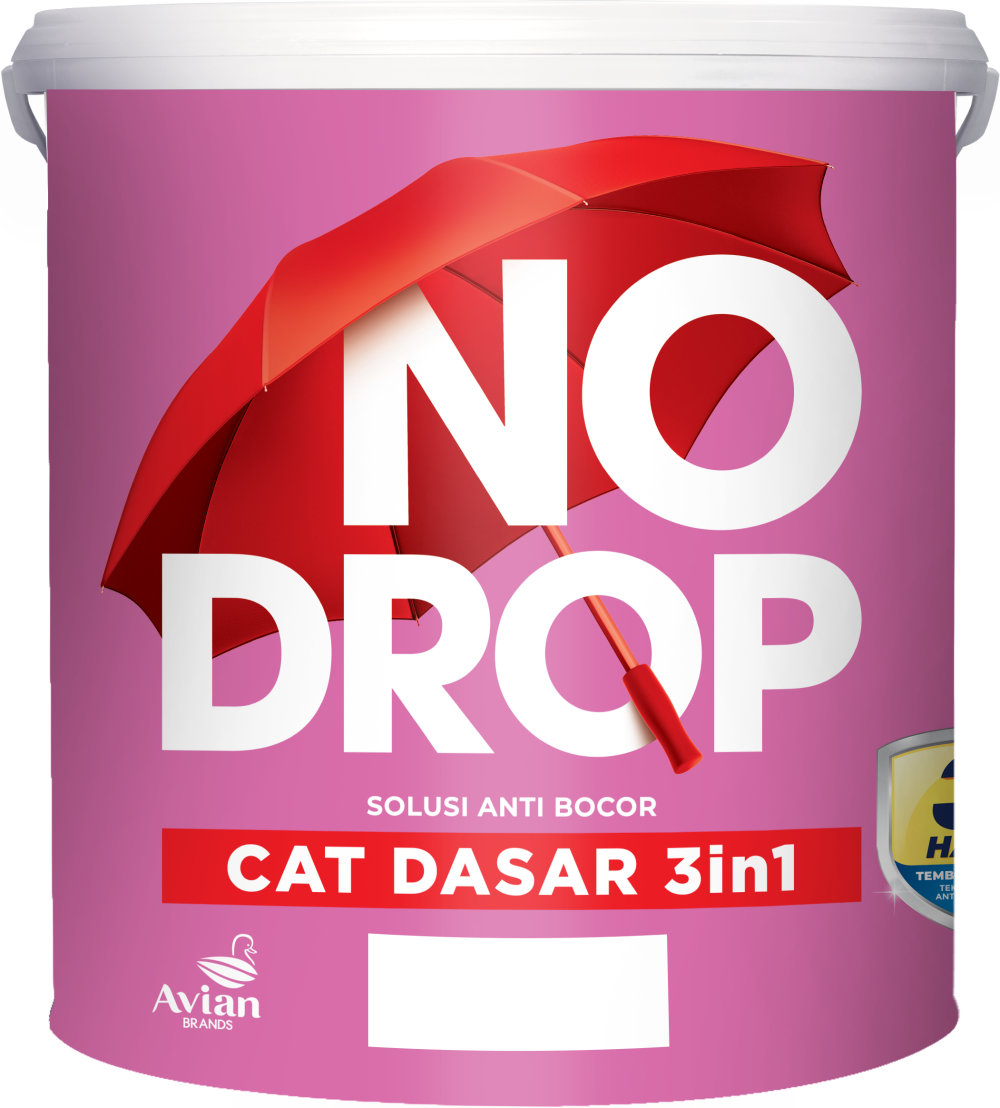
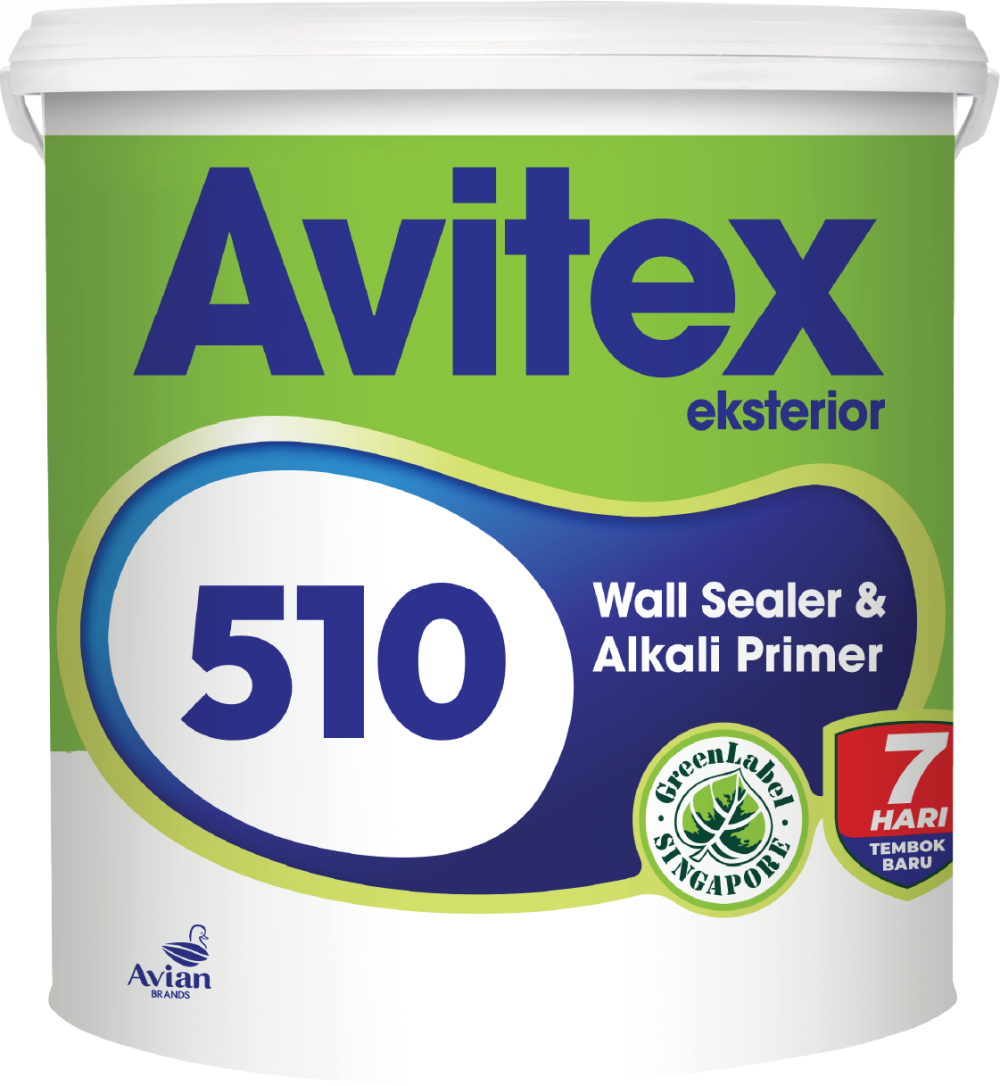
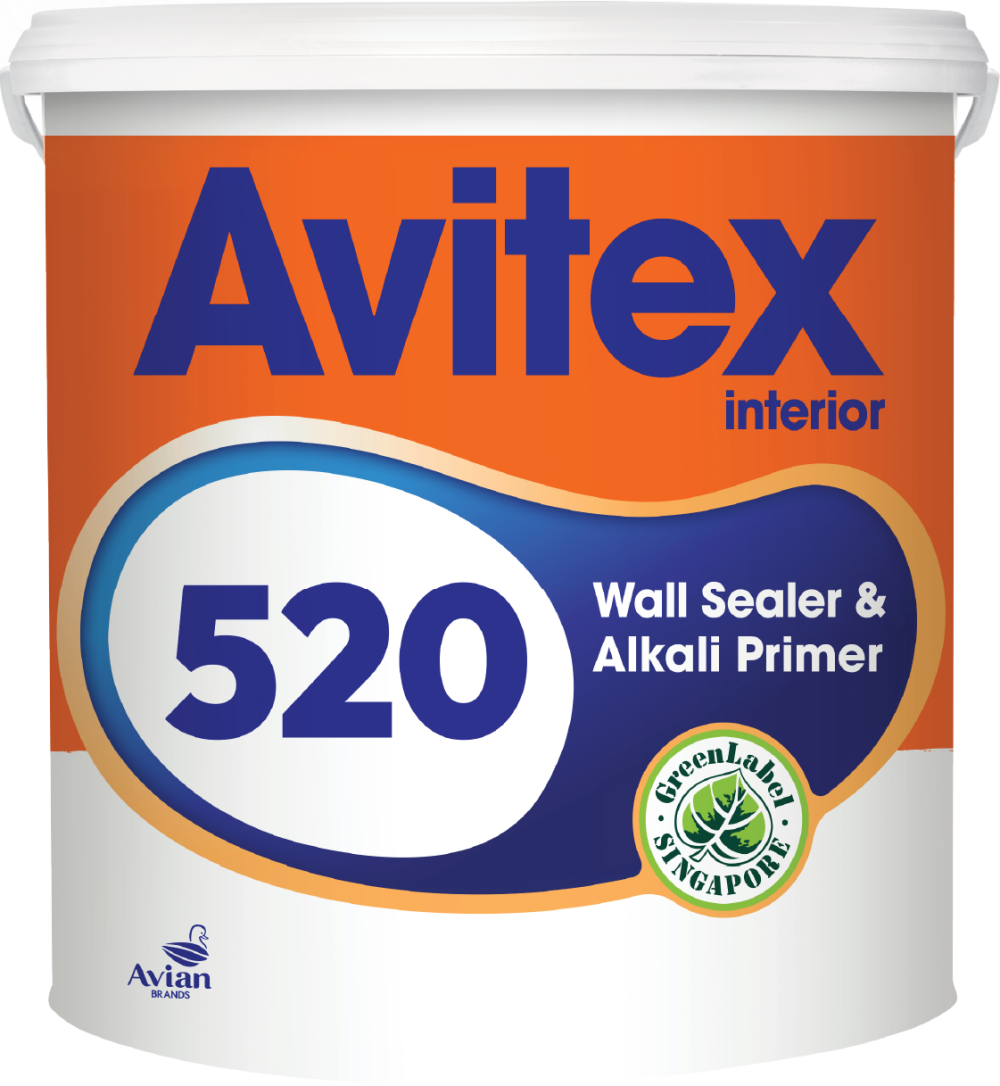
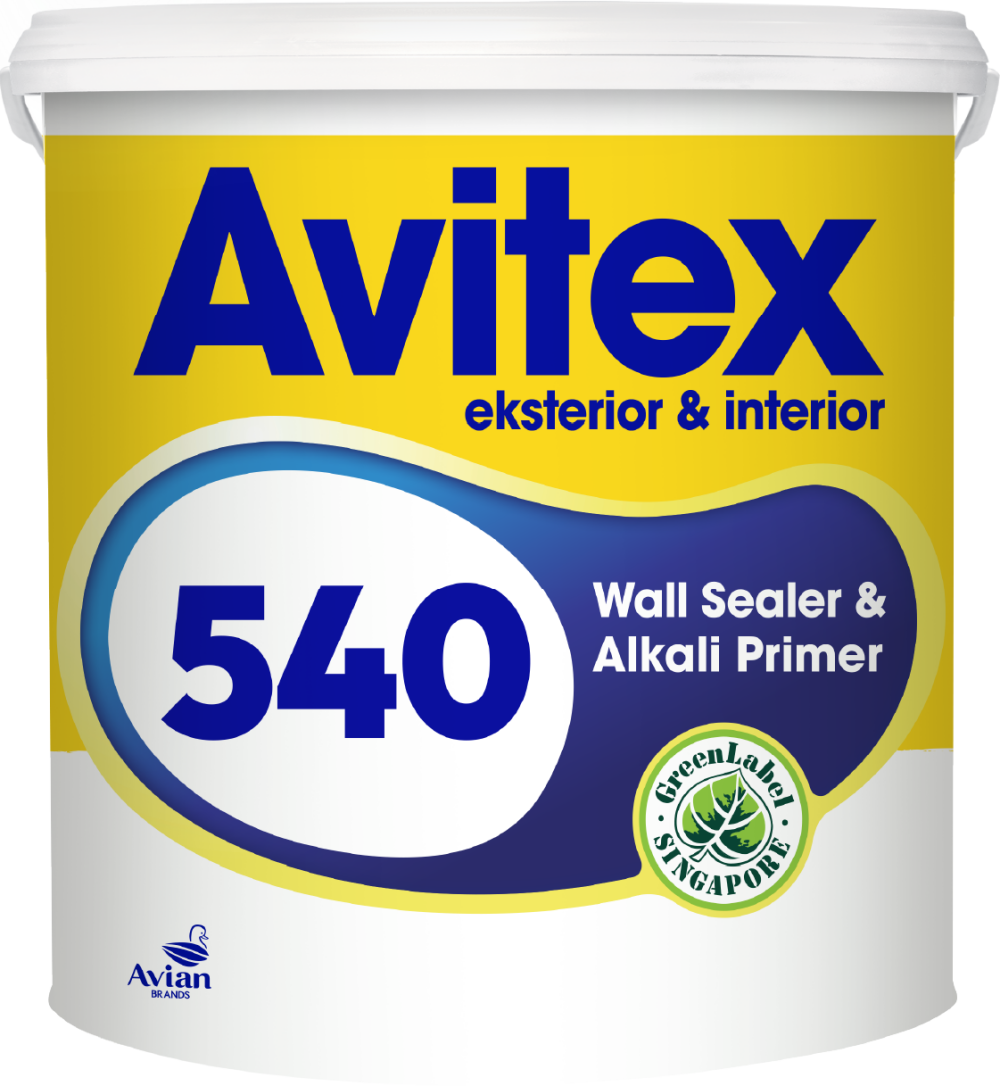
3. Base Paint or Primer
Base paint serves as the initial layer before the color paint is applied. In addition to increasing the adhesion of the color paint to the surface, base paint also helps close pores and even out the surface's absorption, so that the final paint color looks more even and is not wasteful.
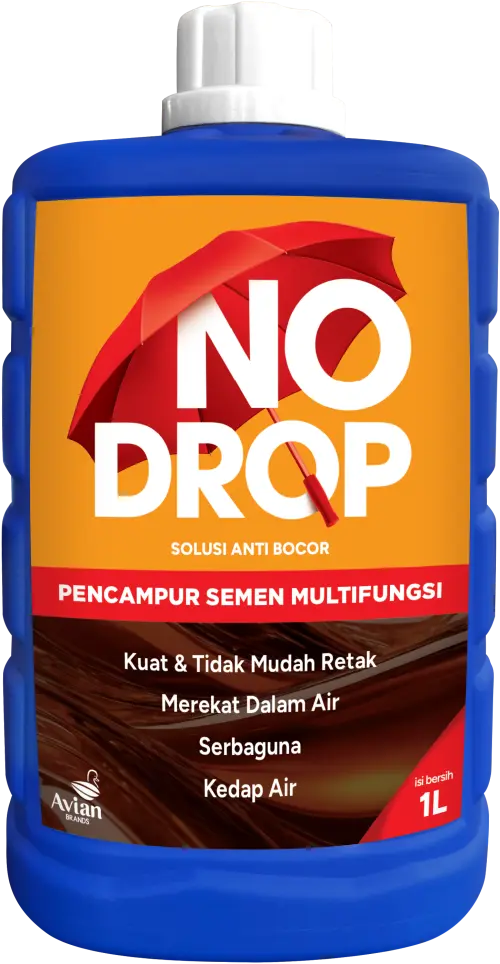
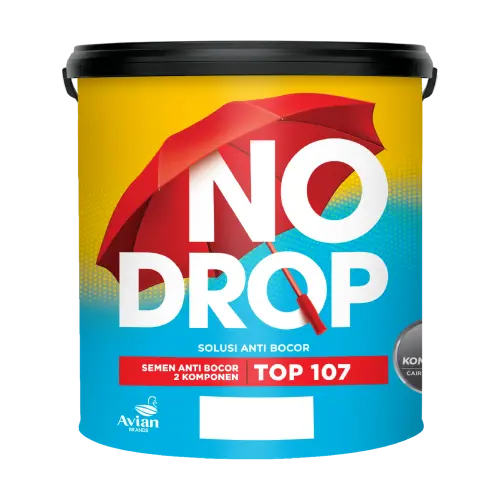
4. Anti-Leak Coating Paint
Used in areas prone to leaks such as concrete roof decks, gutters, or exterior walls that are often exposed to direct rain, this type of paint is generally elastic and forms a waterproof layer to protect the surface from seepage.
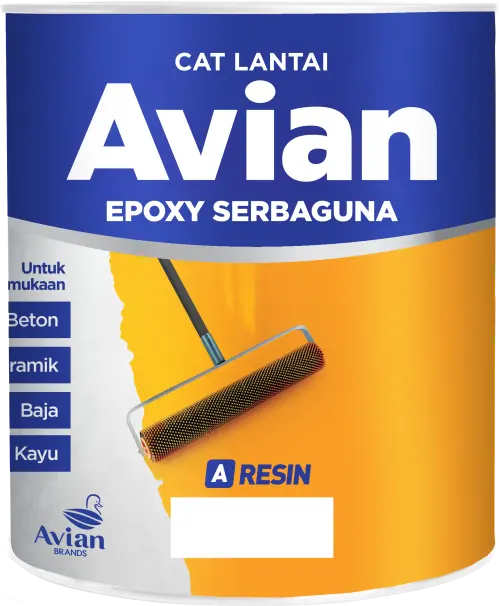
5. Floor Paint or Epoxy
Epoxy paint is used to coat floors, especially in areas that require a hard surface, resistant to chemicals, and easy to clean such as garages, commercial areas, or production rooms.
The Difference Between Water-Based and Oil-Based Paint
Water-based paint is generally used for wall paint because it is easier to apply, dries quickly, has minimal odor, and can be cleaned with just water while still wet. Meanwhile, oil-based paint (solvent based/alkyd) is more often used for wood and iron surfaces because it forms a harder film layer, so its adhesion and resistance to friction and extreme weather are better.
Tips for Choosing the Right Type of Paint for Your Needs
1. Know the Type of Surface
Before buying paint, make sure to identify the surface material to be painted, whether wall, wood, iron, or floor, because each material requires a type of paint with different adhesion.
2. Pay Attention to the Application Area
Match the paint choice with the environmental conditions, whether it is in a more controlled interior area or in an exterior area exposed to weather throughout the year.
3. Match the Gloss Level with the Room Concept
Choose the gloss level, from matte, satin, to glossy, that suits the style and function of the room to be painted.
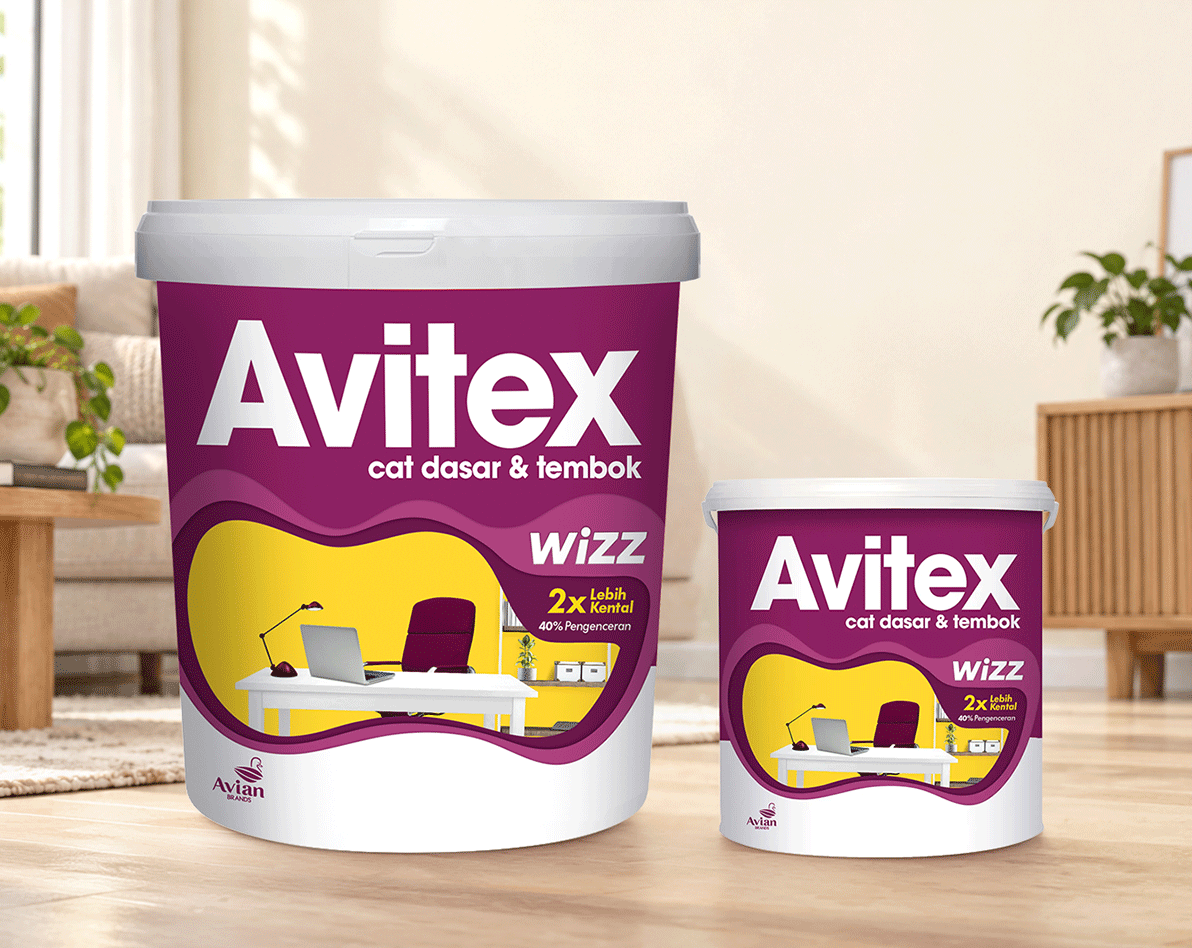
Avitex Wizz, an Example of Interior Wall Paint from Avian Brands
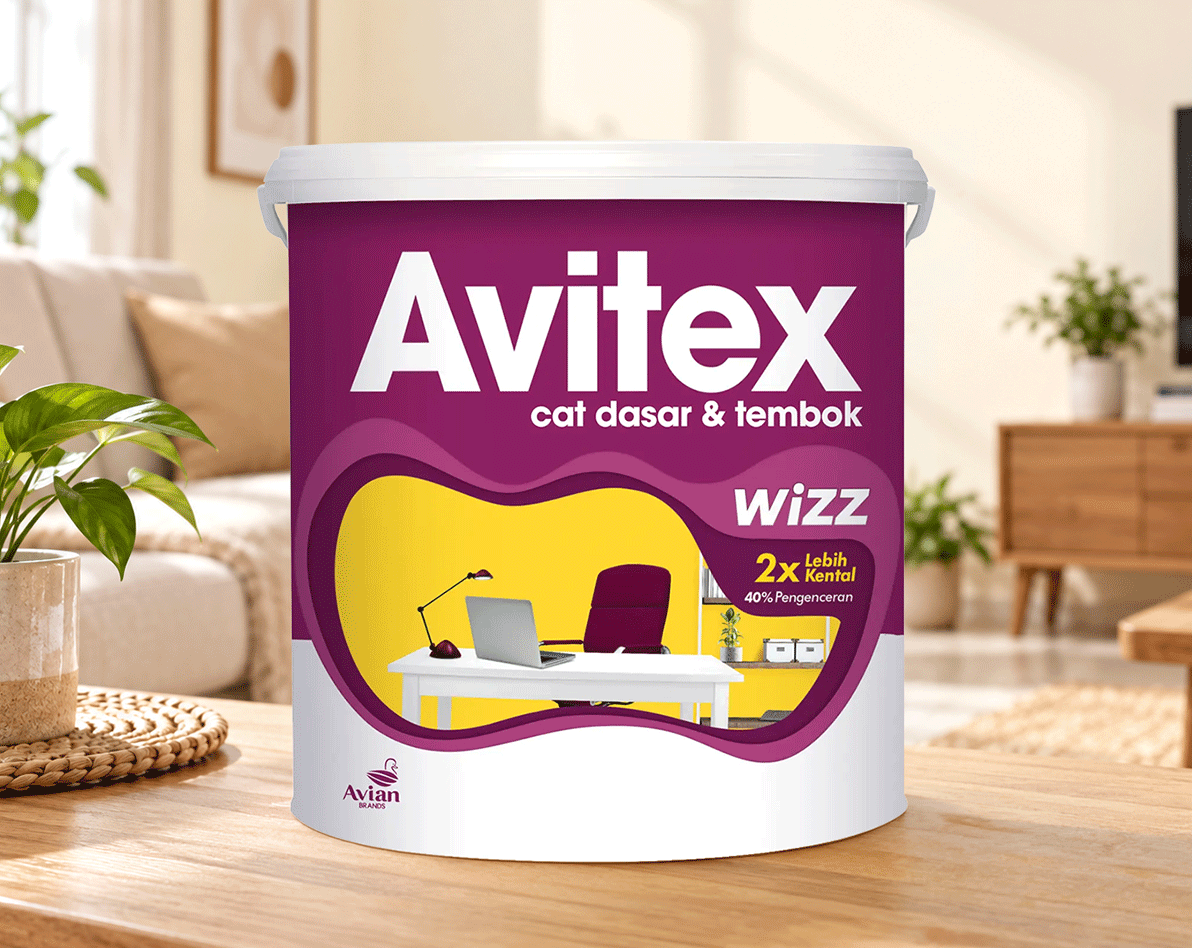
As an example of wall paint, Avitex Wizz can be used for the interior areas of the house. This product has been certified Green Label Singapore and is available in various color choices that can be adjusted to the concept of the house's walls.
-
Wide Coverage and Economical: Formulated with Super Cover Technology that reaches a wider wall surface so that paint liquid usage is much more economical.
-
Optimal and Flexible Consistency: Can be thickened 2x more and up to 40% thinning provides flexibility in application according to project needs.
-
Complete Packaging Size Options: Available in various packaging size variations ready to adjust to the scale of your home renovation project needs.
-
Superior Coverage: Able to cover imperfections in the house's walls with just two coats of painting.
-
Bright and Smooth Final Result: Produces a wall surface that is bright, smooth, and not easily dull.
-
Environmentally Friendly and Safe: Made without mercury and lead, thus ensuring safety for the home's occupants.
Knowing the types of paint and their functions helps ensure that the house painting results are more optimal and long-lasting. Match the type of paint with its application area, including choosing a versatile wall paint such as Avitex Wizz for the interior needs of the house.