






















Damp walls are a condition where house walls appear damp, making the wall temperature feel cold and showing stains from water seepage. This can lead to the growth of mold and cause the peeling of exterior wall paint.
Besides making house occupants uncomfortable, damp walls can also cause health problems if left untreated. Some health problems that can be affected include shortness of breath, infections, or even skin irritation.
There are several causes of dampness on walls, including:
- Leaking Pipes or Gutters
Some parts of walls usually serve as pathways for water pipes or gutters during rain from the roof. If these pipes or gutters leak, water will seep into the walls, and stains from water seepage will be visible on the upper part of the wall.
- Imperfect Plastering Process
The wall finishing process definitely involves a plastering process with cement mixture and additives such as waterproof and anti-fungal layers. If the plastering or coating process is not completely dry, the walls will easily absorb water, leading to dampness.
Usually, the wall plastering process will dry within 5 to 7 days. However, specifically for buildings located in densely populated areas and with little sun exposure, the plastering process can take more than 7 days.
- Room Conditions Adjacent to Wet Areas
Damp walls can also occur in rooms close to wet areas. For example, rooms adjacent to bathrooms.
Continuously flowing water will increase wall humidity and easily cause dampness.
A common consequence of damp walls is paint peeling or the appearance of hairline cracks on the outermost paint layer. If this occurs, the most effective way to deal with damp walls is by using a waterproofing layer or a leak-proof coating paint.
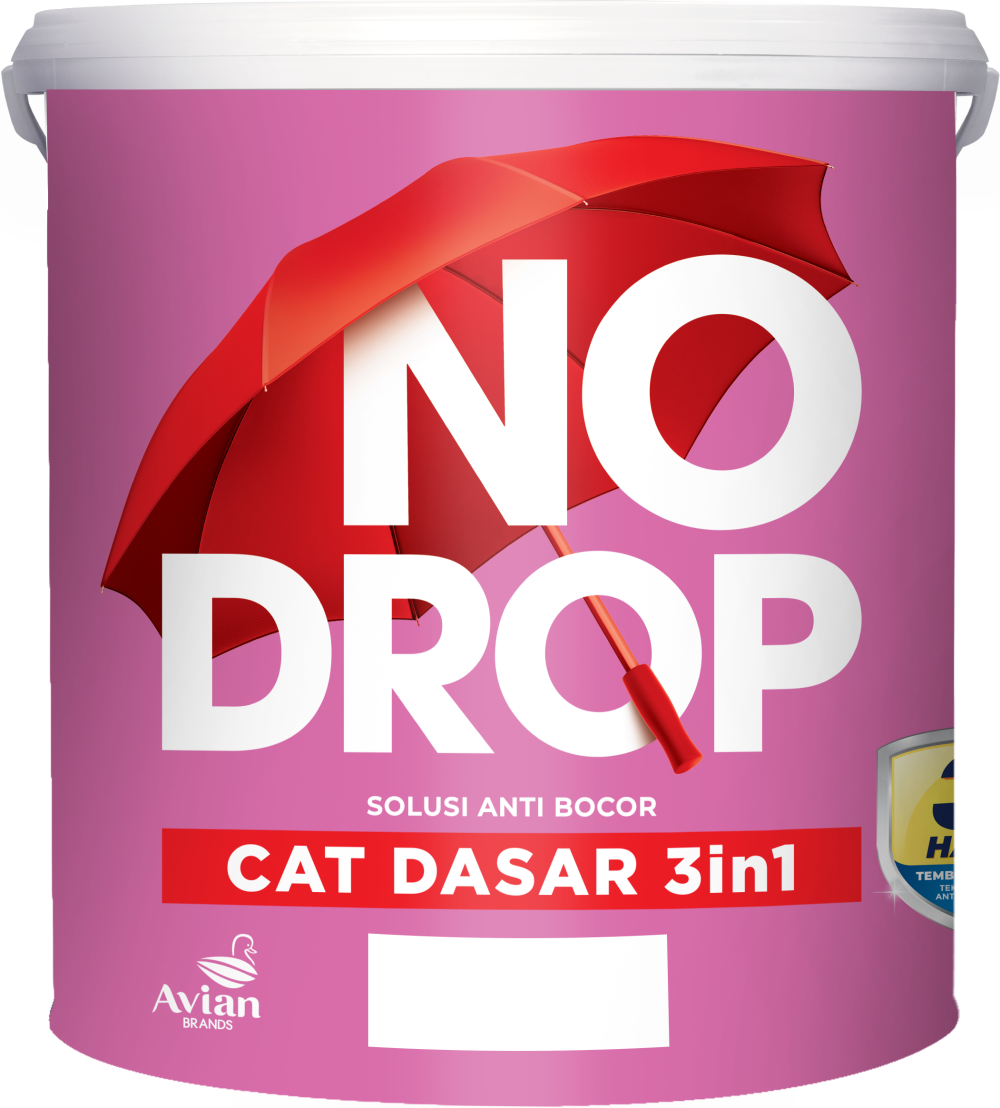
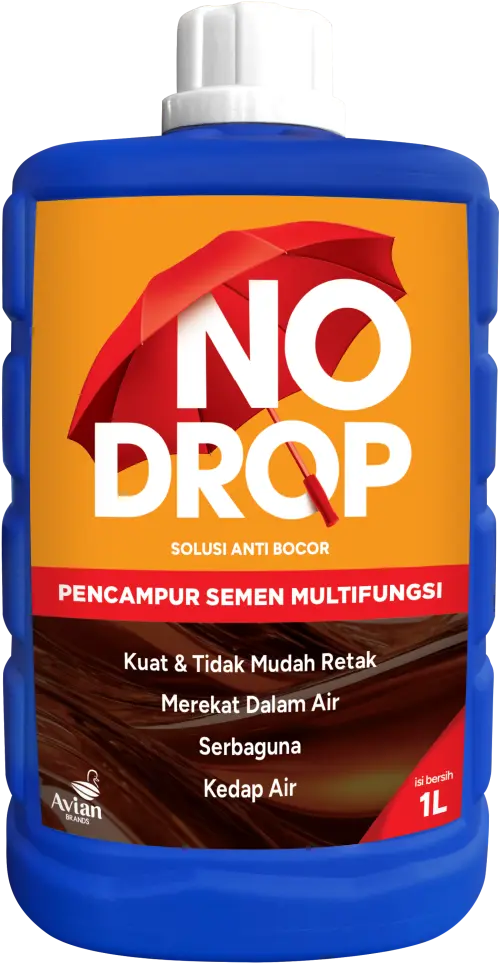
In the market, Avian Brands Friends can find leak-proof coating paint or waterproofing products with various color variants. One waterproofing product that you can apply to your home is No Drop from Avian Brands. No Drop is the No. 1 leak-proof coating paint in Indonesia.
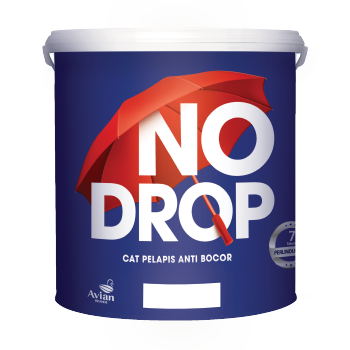
No Drop Leak-Proof Coating Paint has elastic properties, is waterproof, and highly resistant to weather exposure. It is very suitable for application on wall surfaces, concrete, asbestos, galvanized/zinc, and terracotta surfaces.
Here's how to apply No Drop Leak-Proof Coating Paint for wall surfaces:
- When applying No Drop, ensure that the surface to be coated is thoroughly clean, free from dirt, rust, oil, mold, or other small particles.
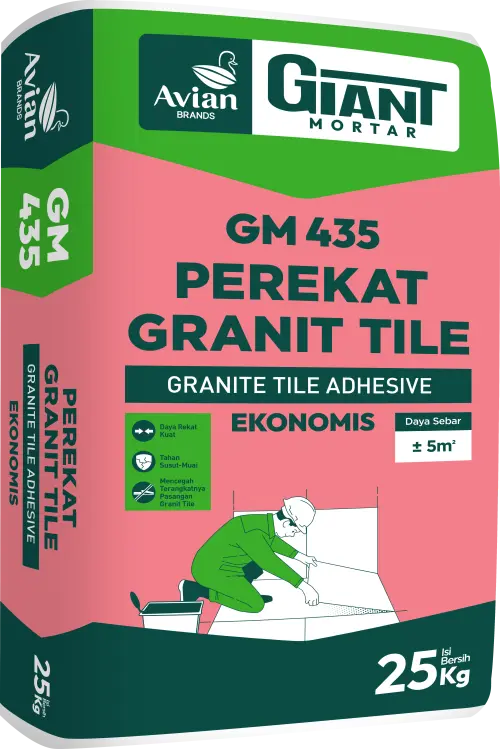
- To achieve optimal results, a cement mixture can be used as a primer first.
- Then apply one coat of No Drop diluted with approximately 20% water as a base coat. Then let it dry.
- Once dry, you can repeat with the next coat. As a note, for the second and subsequent coats, apply No Drop undiluted until a minimum thickness of 250 microns is achieved.
These are some ways you can apply to address dampness issues on your home's walls. Hope this is useful!