






















Besides floods, leaky walls are often a problem during the rainy season. If not dealt with immediately, leaky walls will gradually erode their durability, grow moss, mold, and even make the room damp and smelly.
To avoid experiencing this, it's best to follow some of the methods below to prevent leaks and seepage in your home!
Check for Cracks on Walls
If you want to repaint a leaky wall, try checking the leaky part of the wall and also the opposite side. Look for any cracks, even hair-thin ones. Water's flexible nature allows it to pass through small gaps, especially when there's a large amount of water like heavy rain.
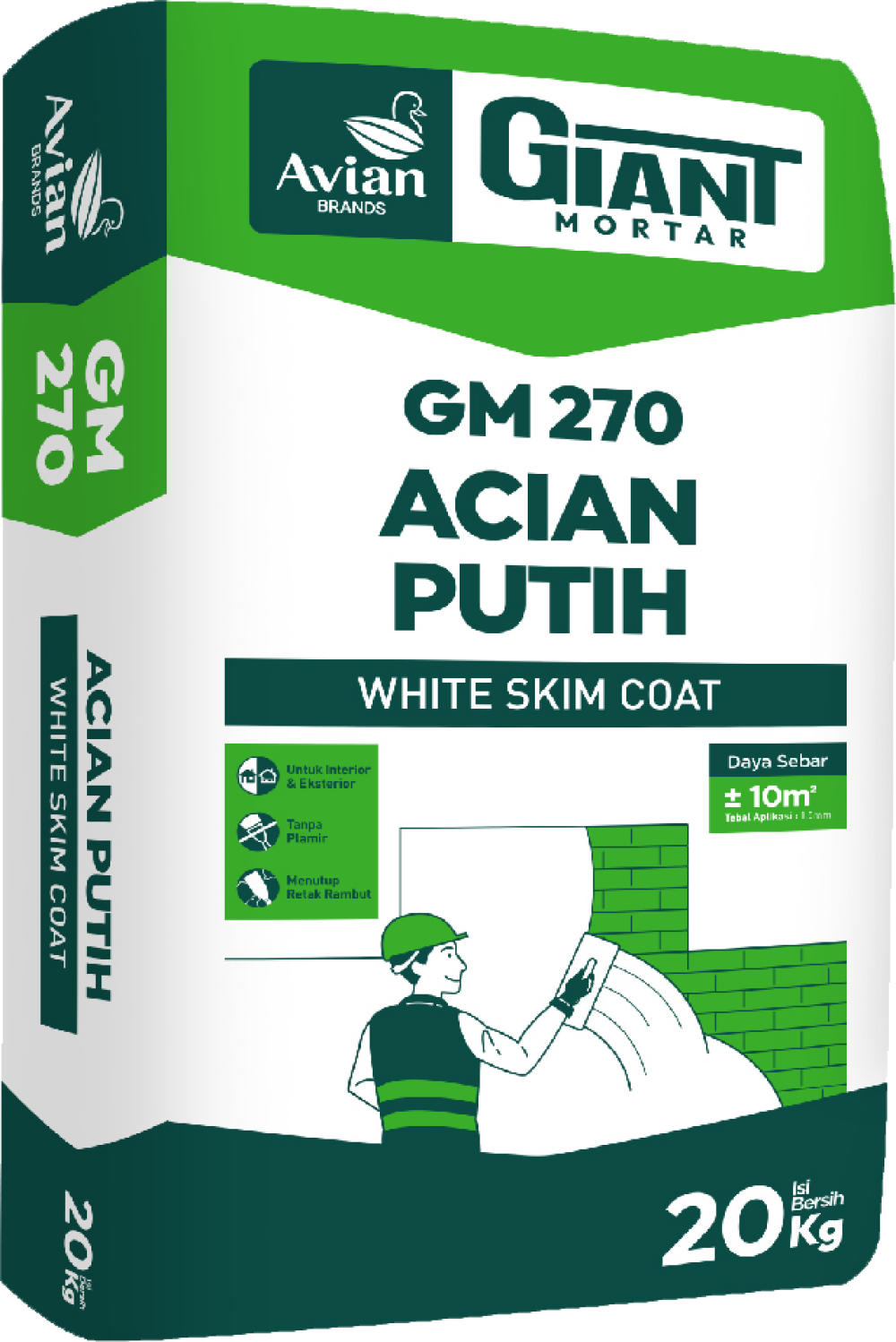
To fix cracks in walls, simply use a white instant cement mixture and insert it into the small cracks using a stick. After that, proceed with repainting.
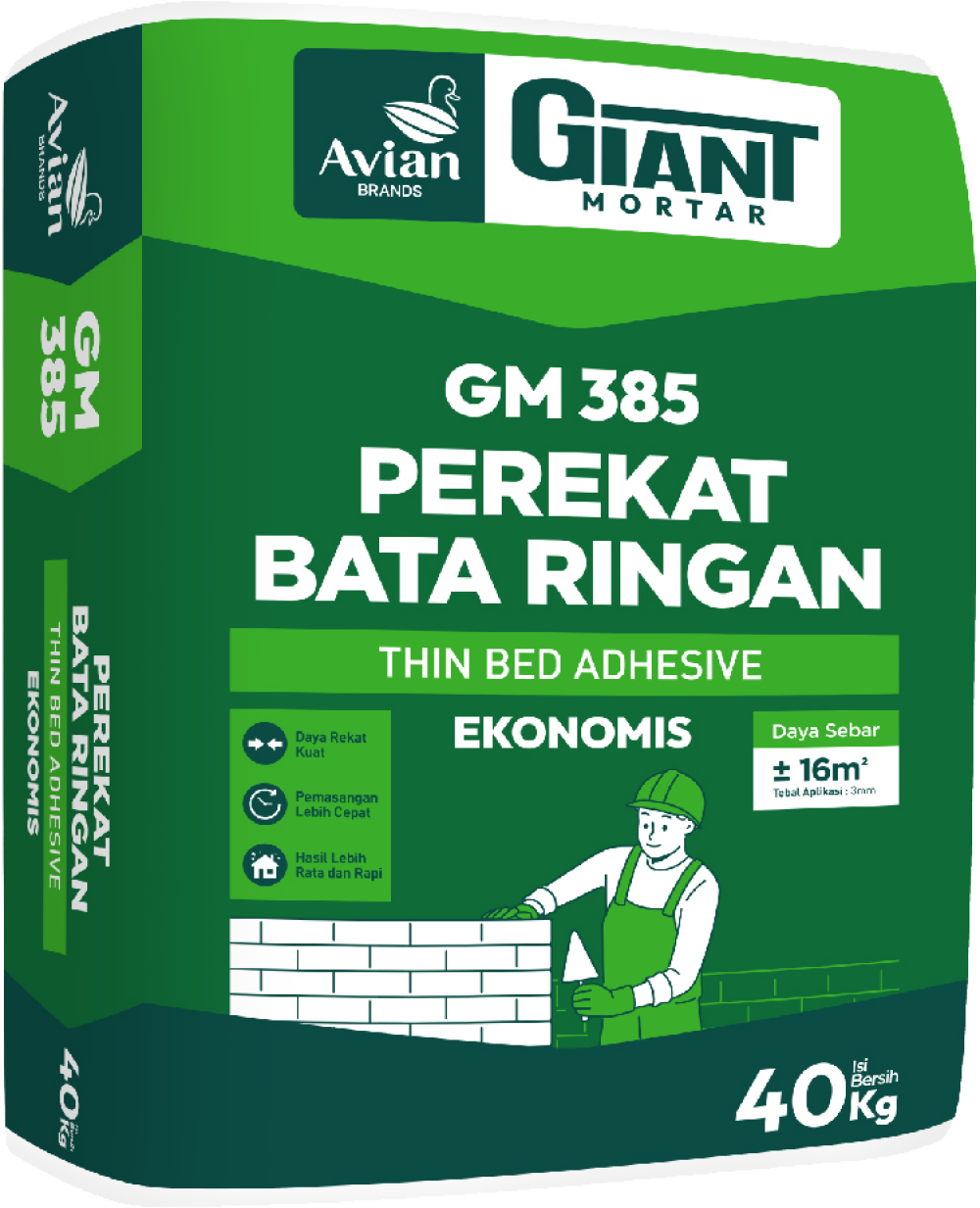
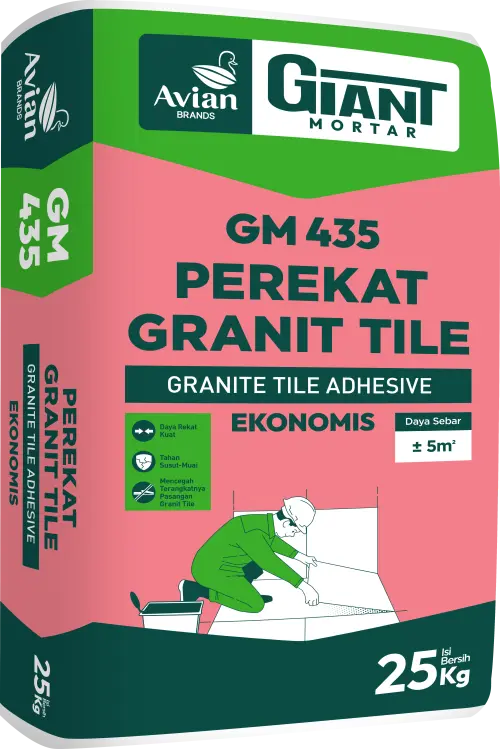
Tip: You can use Giant Mortar GM-270 instant cement.(Giant Mortar 270)
Check Bathroom Tiled Walls if Walls Directly Border the Bathroom
Usually, bathroom walls are covered with ceramic tiles to prevent water splashes from entering the adjacent room's walls, which can cause dampness or mold. Try checking the gaps between the tiles for loose or cracked grout. Water, which easily seeps through small crevices, will make the walls leaky.
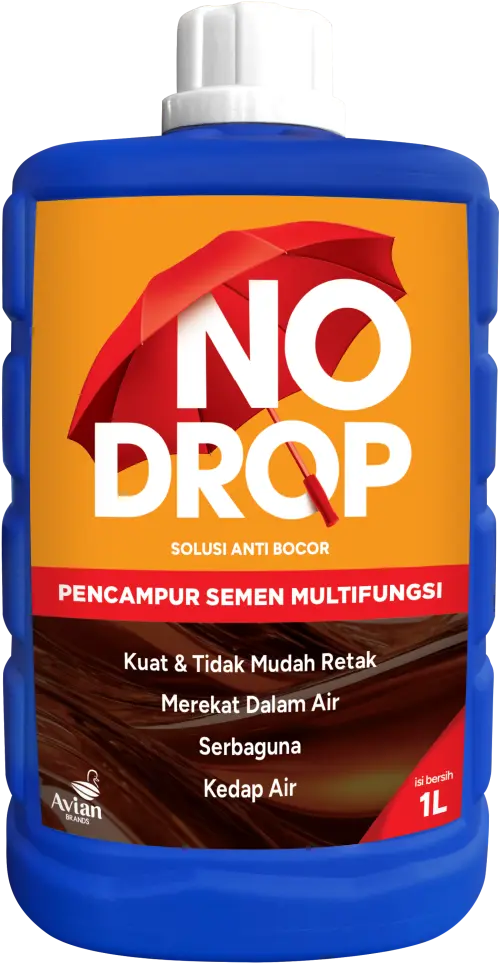
If there are cracks, you can patch them up with a mixture of white instant cement and No DROP 100, specially formulated for bathrooms (No Drop 100). Use a stick to insert the mixture into the cracks. While the patch is not yet dry, avoid water splashes on that area.
Coat Leaky Walls with Waterproofing
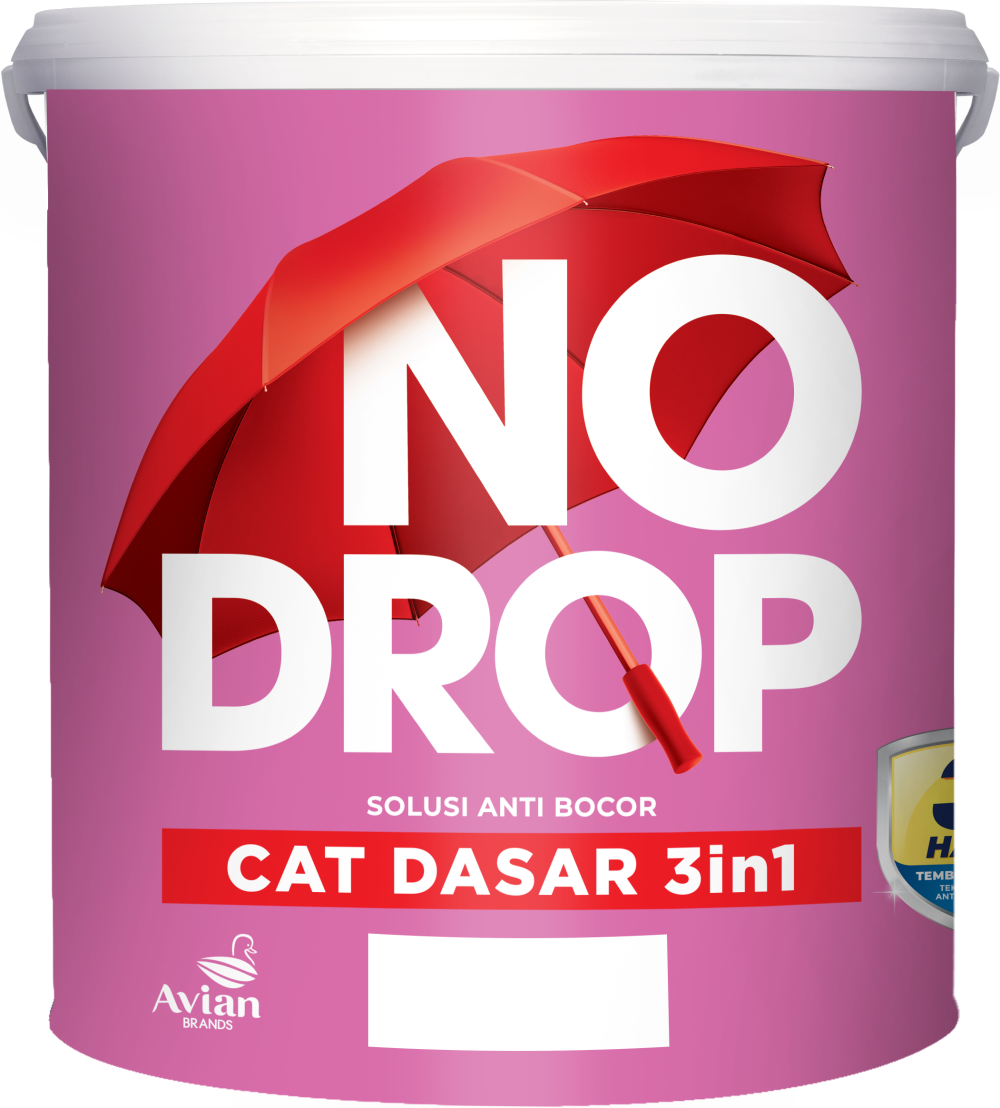
If patching with cement makes the room's wall appearance unsightly and its durability limited, you can patch cracks with waterproofing or No Drop Anti-Leak Coating Paint. Besides serving to patch wall cracks, waterproofing can also prevent the growth of moss and mold. It is also available in several color options that can be customized to your preference.
How to Patch Wall Cracks with NO DROP Anti-Leak Coating Paint
Tools and materials used:
Sandpaper / wire brush
- - Tray
- - Bucket
- - Stirrer
- - Water
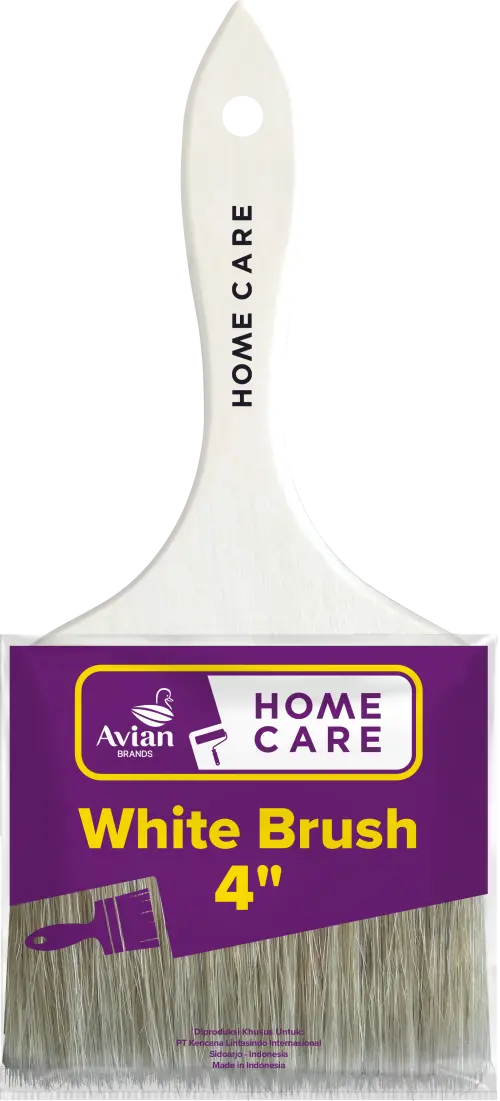
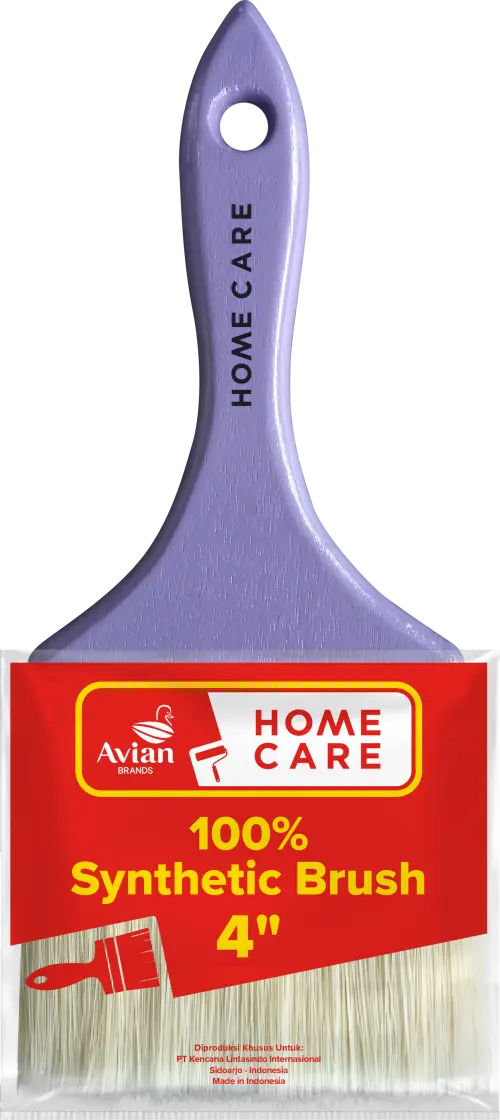
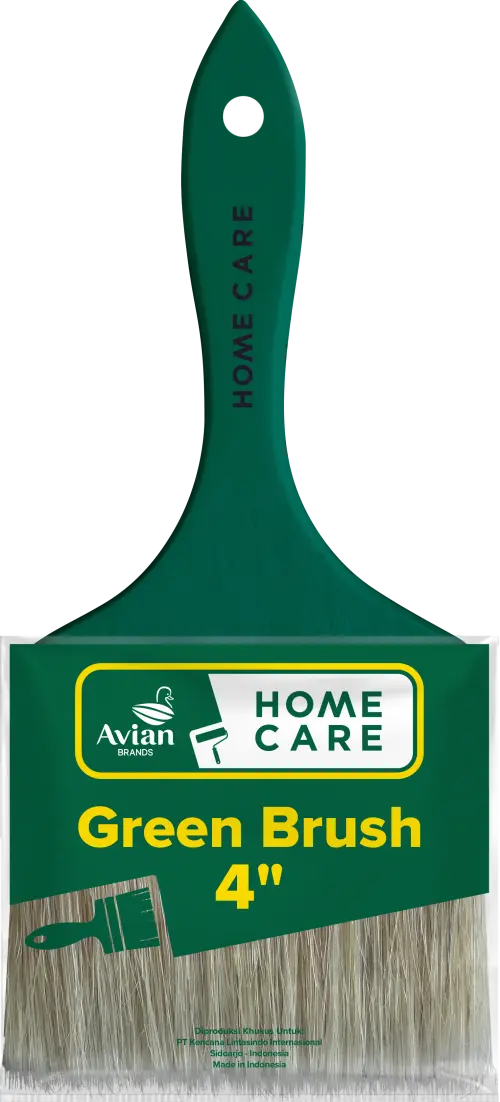
- - Brush / roller
- Waterproofing (anti-leak coating)
Method:
1. Clean the wall surface to be coated with waterproofing from oil, dust, and other dirt. Clean the wall surface using sandpaper or a wire brush. If there are stubborn stains, rinse them with hot water first.
2. After the wall is completely clean, create the first layer (base coat). For this layer, use waterproofing mixed with 20% water to thin it.
3. Prepare waterproofing for the second and third layers without mixing with water.
4. Apply the first layer vertically (from top to bottom). Wait until dry (minimum 2 hours). Use a brush or roller for painting.
Apply the second layer horizontally (sideways) then apply the third layer vertically again.