




























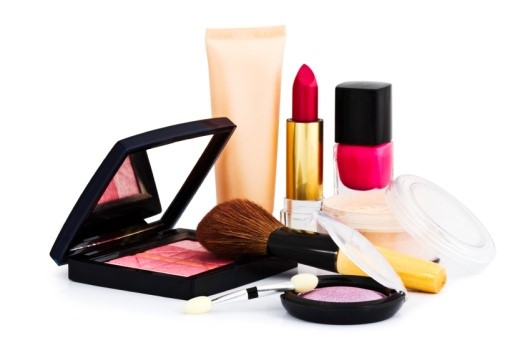
Hearing the word mercury danger, surely some of you have heard it. Because recently, news about the dangers of mercury in some cosmetics has surfaced in the media. Not only cosmetics, fluorescent lamps, batteries, amalgam dental fillings, and even seafood can also contain mercury. The possibility of mercury content in products or food around us should be watched out for. But do you know, what is mercury? And what are its dangers and effects on your body and health?
What is Mercury?
 Mercury is a type of metal symbolized by the chemical element h-g or hydrargyrum, which means "silver liquid." Mercury, often called quicksilver, is one type of metal widely found in nature and dispersed in rocks, ore, soil, water, and air as inorganic and organic compounds. Most of the mercury found in nature is produced by industrial waste in quantities of approximately 10,000 tons annually. The use of mercury is very extensive, with about 3,000 types of uses in chemical processing industries, the manufacturing process of medicines used by humans, and as a basic ingredient for producing insecticides for agriculture. Among the various heavy metals, mercury and its derivatives are considered the most dangerous pollutants. All h-g compounds are toxic to living organisms in sufficient amounts and over a long period. These h-g compounds will be stored and permanently accumulated in the body, causing enzyme inhibition and cell damage, which can lead to permanent body damage. So, what are the dangers of mercury to our bodies and health, and what are its impacts on the environment?
Types of Mercury
The known types of mercury exist in three forms: elemental mercury, inorganic mercury, and organic mercury. Elemental mercury can be found in glass thermometers, mercury sphygmomanometers, amalgam dental fillings, and batteries. Inorganic mercury, for example, is mercury chloride used as a disinfectant. Organic mercury, on the other hand, is found as a metal contaminant in the environment, for example, by eating fish contaminated with mercury.
Dangers of Mercury and Its Effects On Body and Health
All components of mercury, in any form, that continuously enter the human body cause various permanent damages to the brain, liver, and kidneys. The duration, intensity, and route of exposure, as well as the form of mercury, significantly influence the affected systems. Acute poisoning by inhaled elemental mercury has effects on the respiratory system, while ingested mercury salts will affect the digestive system. Effects on the cardiovascular system are secondary effects (exposure) through mercury vapor or mercury salts via the respiratory tract, which can also lead to kidney failure due to proteinuria or nephrotic syndrome and acute tubular necrosis. Furthermore, if accumulation occurs in the kidneys due to the entry of inorganic mercury salts, it will lead to a decrease in kidney function or kidney dysfunction. Meanwhile, mercury exposed through the skin and damaging skin pigments as a result of using cosmetic products containing mercury will end in a nightmare of losing natural beauty and even physical appearance. This is because it will produce the opposite effect of what was received while using mercury.
Do not assume that mercury will only affect adults. Infants and children are also a group not immune to the risk of mercury exposure and its side effects. When parents using mercury-containing products and children come into contact, there is a possibility that the substance can enter the body when the child sucks their fingers. Specifically, mercury poisoning in children is called infantile acrodynia, which can be recognized by the appearance of pain symptoms and pink color on the hands and feet.
Symptoms of Mercury Poisoning
Symptoms caused by mercury poisoning depend heavily on the dose received by the body, the duration of exposure, and the patient's immune system. Symptoms can be acute or chronic. Acute symptoms of mercury poisoning can appear within a few hours, including weakness, chills, a metallic taste, nausea and vomiting, diarrhea, cough, and shortness of breath. Symptoms appear after inhaling mercury vapor; this poisoning can develop into interstitial pneumonia accompanied by severe lung dysfunction. Meanwhile, chronic mercury poisoning can affect workers who have direct contact with mercury and people living near industrial areas that use mercury-containing materials. Chronic toxicity includes digestive and nervous system disorders or gingivitis. Symptoms of nervous system disorders are known to include tremors, Parkinson's disease, lens disorders, and mild anemia.
Therefore, always pay attention to the products we use. If they contain the words mercurous chloride, calomel, mercuric, or mercurio, immediately stop using them. In addition, check if the product is registered with the Food and Drug Supervisory Agency (BPOM)? Then, before disposing of products containing mercury, place them in a plastic bag or a leak-proof container.
Beware of Mercury Danger in Products Around Us
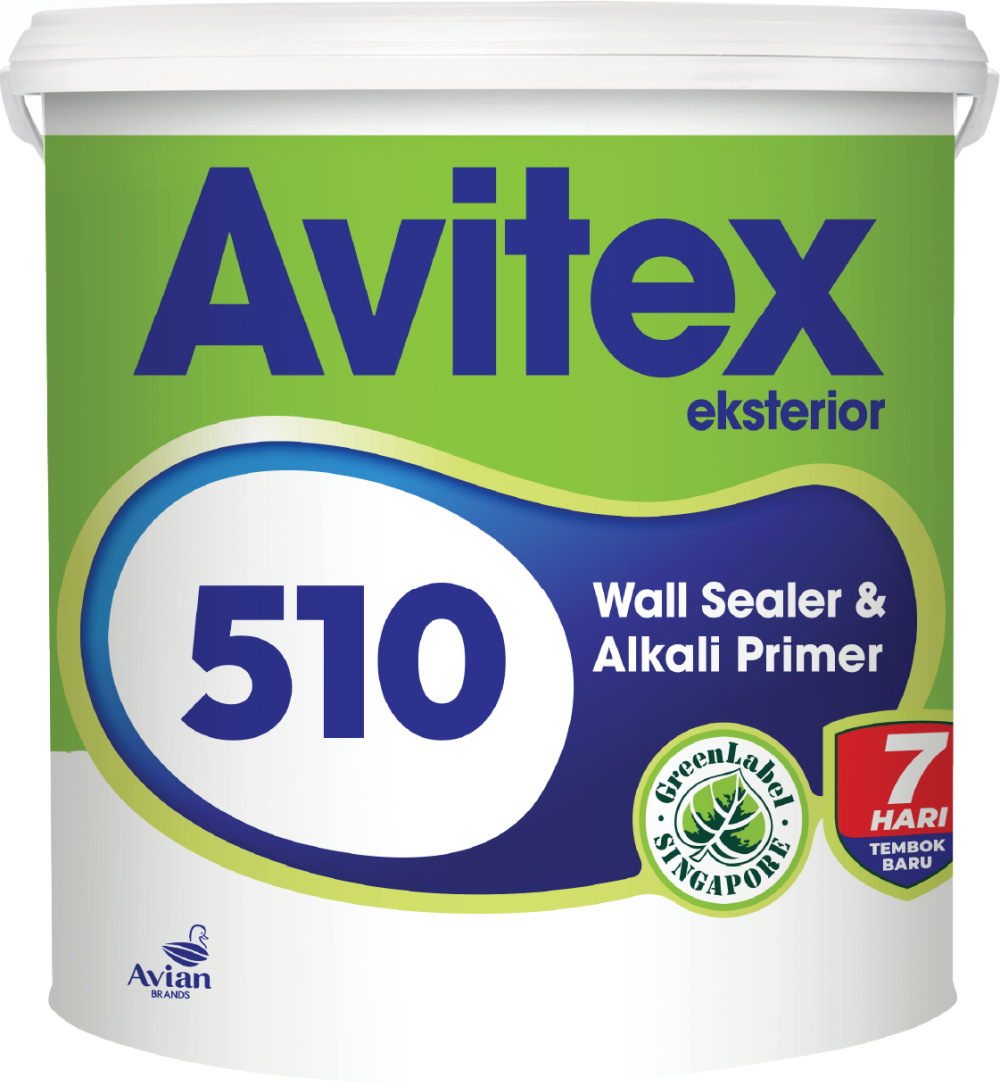
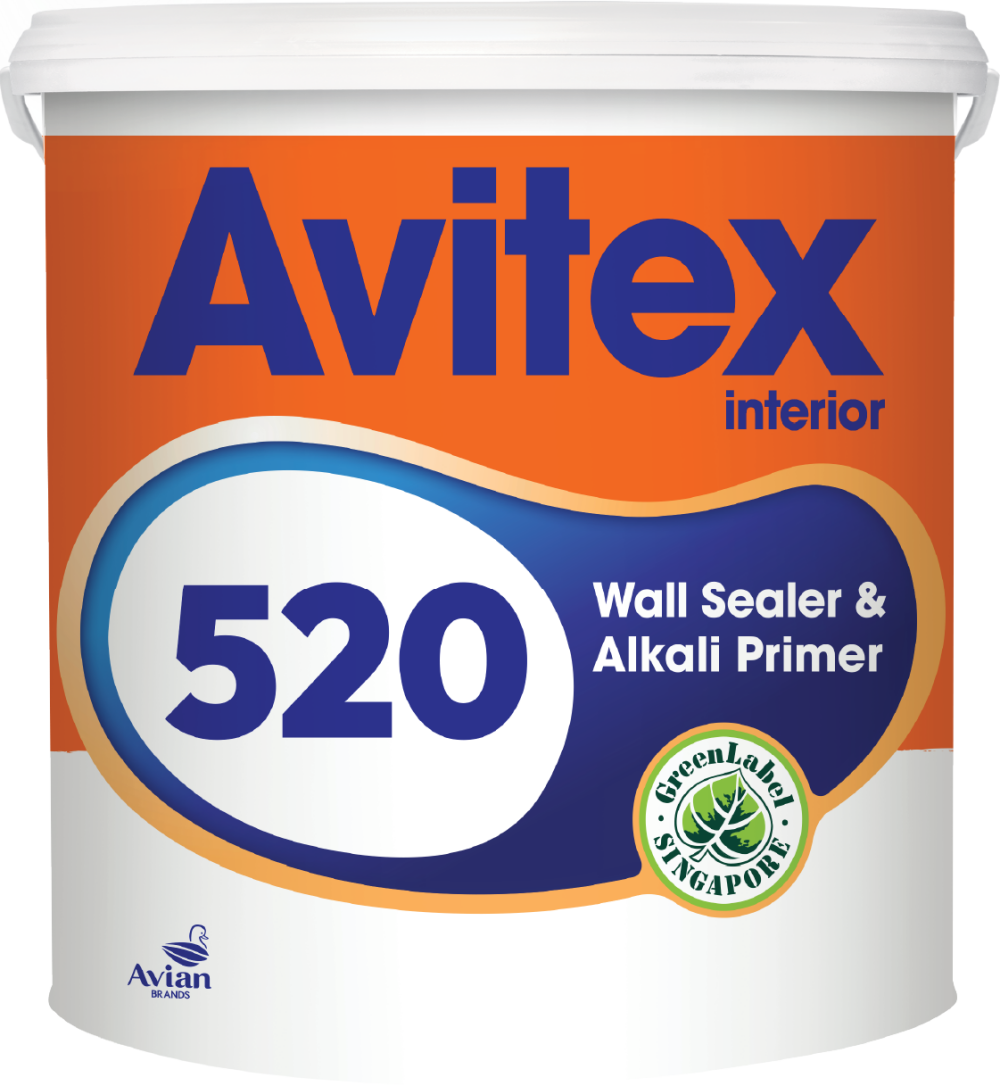
 To avoid the dangers of mercury, we must be vigilant in selecting and using the products we typically use daily. Such as cosmetic products, batteries, fluorescent lamps, and mercury-free food. Especially those related to interior wall paint, where we live indoors every day, come into direct contact with it, and breathe it in. For this reason, use mercury-free wall paint, such as Avitex Cat Tembok (Avitex Wall Paint). Avitex Cat Tembok is produced through an excellent process, creating an excellent paint. Avitex Cat Tembok is processed without mercury mixtures, making it safe for family members who are always active inside the house. In addition to being mercury-free, Avitex Cat Tembok is made with the best resin and quality pigments, making Avitex the wall paint of choice for great people. Avian Brands, as the producer of Avitex paint, holds ISO 14001 standards, demonstrating the company's concern for environmental preservation efforts. Avitex Cat Tembok is an interior wall paint that offers 75 favorite color options for the Indonesian people.
Avitex, The Wall Paint of Proud People.